NEBOSH Fire Safety Certificate Course at Cardiff, 26th – 30th October 2026 → Book here to secure your place.

Real-World Learning Meets Real-World Safety
NEWS
May 2026
How Ligtas worked with Cardiff University’s National Software Academy to support emerging software talent and explore practical uses for AI in health and safety.
This year, Ligtas worked with Cardiff University’s National Software Academy on a student software engineering project linked to one of our operational processes.
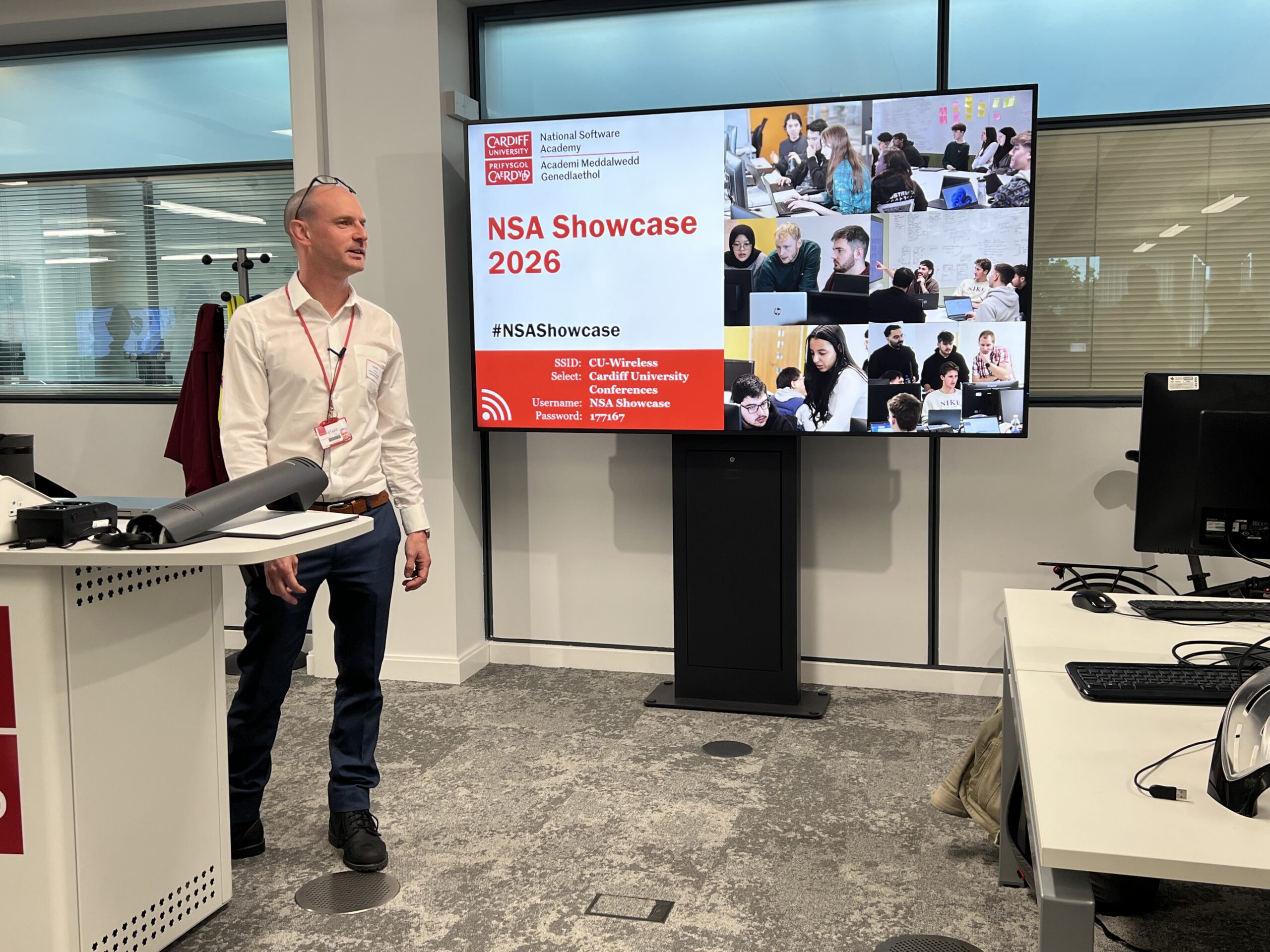
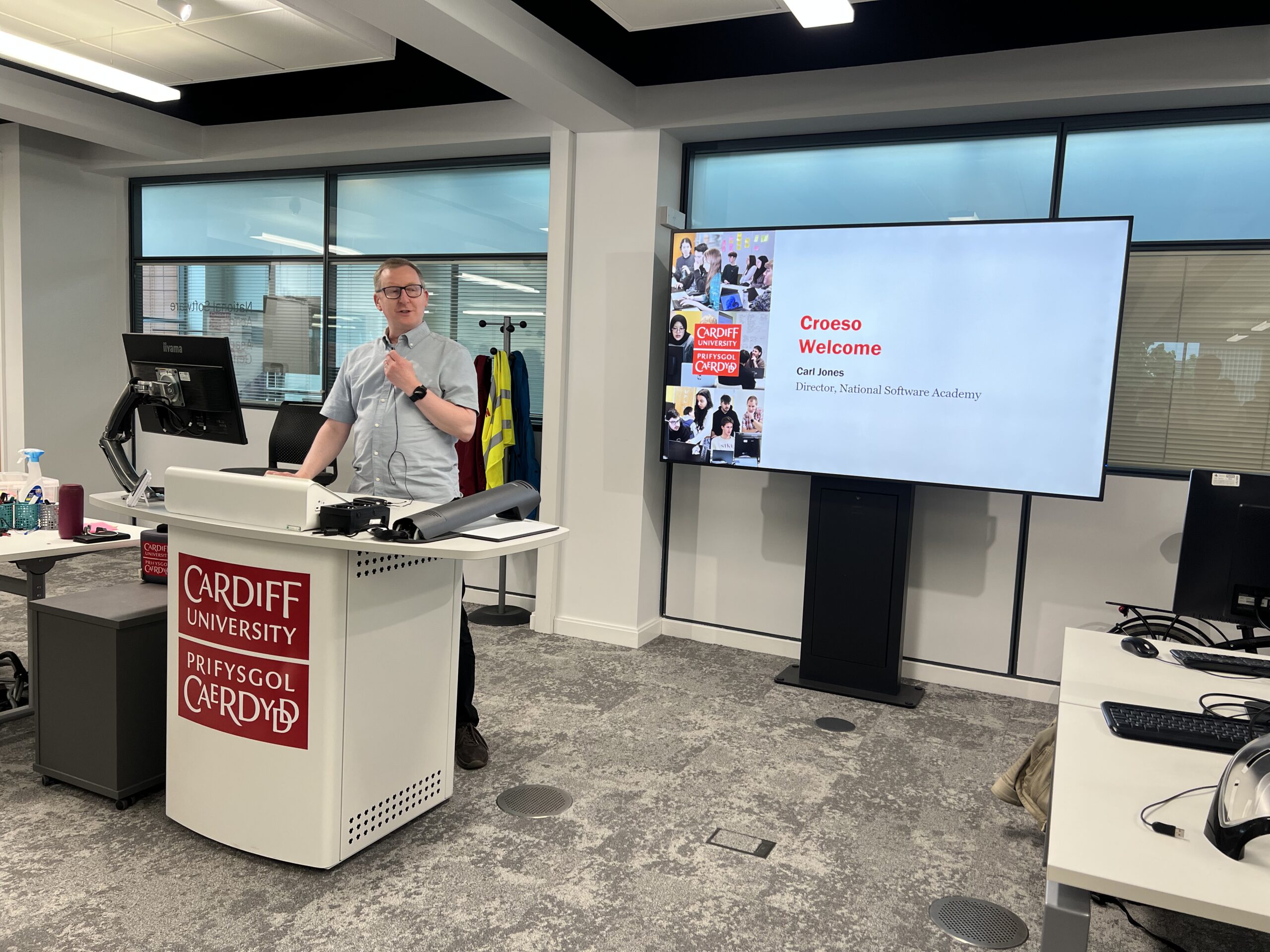
The project brought together two student teams, academic support from the University, and colleagues from Ligtas who could help the students understand the real working context behind the brief. It finished with a showcase event on 28th April 2026, where both teams presented their work and talked through how they had approached the challenge.
We were genuinely pleased to be involved. It gave us the chance to support students as they applied their learning to a live business brief, whilst also giving us the benefit of a fresh perspective on how technology and AI could support the work we already do for clients.
At Ligtas, we talk a lot about real-world expertise. In health and safety, knowledge only becomes useful when it can be applied in real environments, with real people, real buildings and real risks. That is why the National Software Academy’s approach appealed to us. It takes software engineering out of the purely theoretical space and gives students the chance to work on live projects where the outcome has to make sense in practice.
Why the National Software Academy approach matters
The National Software Academy has built live industry projects into its teaching model because software engineering is about more than writing code.
Students need to understand how to ask good questions, work with people outside their own field, manage feedback, make sensible decisions, and create something useful within a realistic timeframe. Their projects are designed to give them that experience, usually through short briefs where they develop a prototype or proof of concept rather than a finished commercial product.
In our own industry, formal knowledge matters. Standards, legislation, guidance and training all play an important role. But confidence comes when that knowledge is tested against real work. A classroom can teach the principles, but a live environment teaches judgement.
The same is true for software. A technical solution has to work for the people using it. It has to sit within existing processes, reflect how information is handled, and solve a problem in a way that feels practical rather than impressive for the sake of it.
That is what made the project worthwhile for us. We could bring our operational knowledge and a meaningful business challenge, while the students brought technical skill, current thinking and a different way of looking at the brief.
“What impressed me was how quickly the students got to grips with a technical area that was completely new to them. Fire risk assessment reporting has a lot of detail behind it, and they made a real effort to understand the purpose of the process before building anything. That made the work much more relevant.”
— Tom Stallard, Head of Technical Services & Fire at Ligtas
The project brief we submitted
The brief we submitted was titled Automating Pre-QC Checks for Fire Risk Assessments.
Across Ligtas, we deliver consultancy, training and ongoing support in fire safety, health and safety, and legionella management. A key part of that work is producing technical reports for clients. Those reports go through a structured quality control process before they are issued, helping us maintain clear standards across different consultants, clients and types of work.
The student project focused on how software could support that process further.
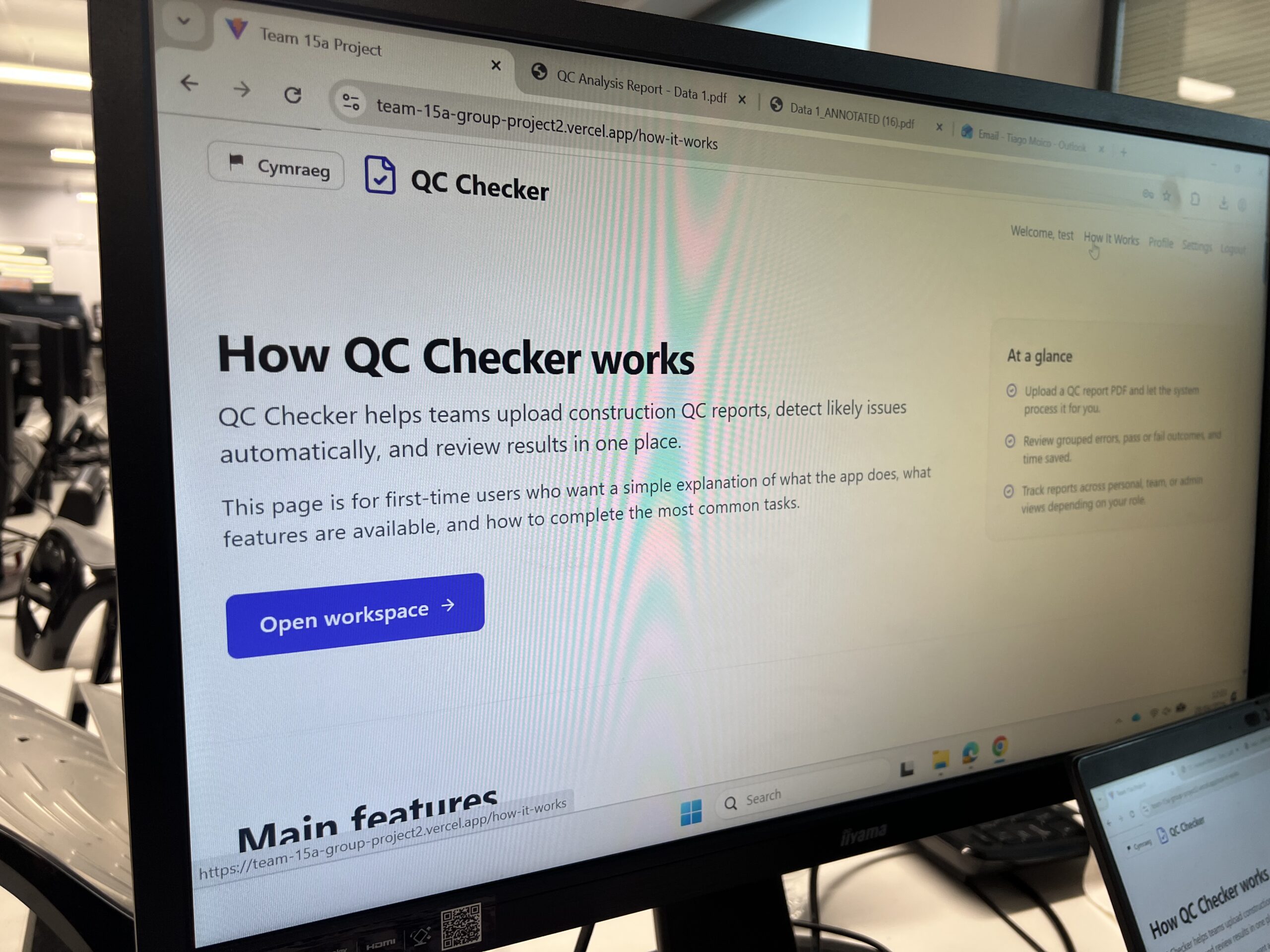
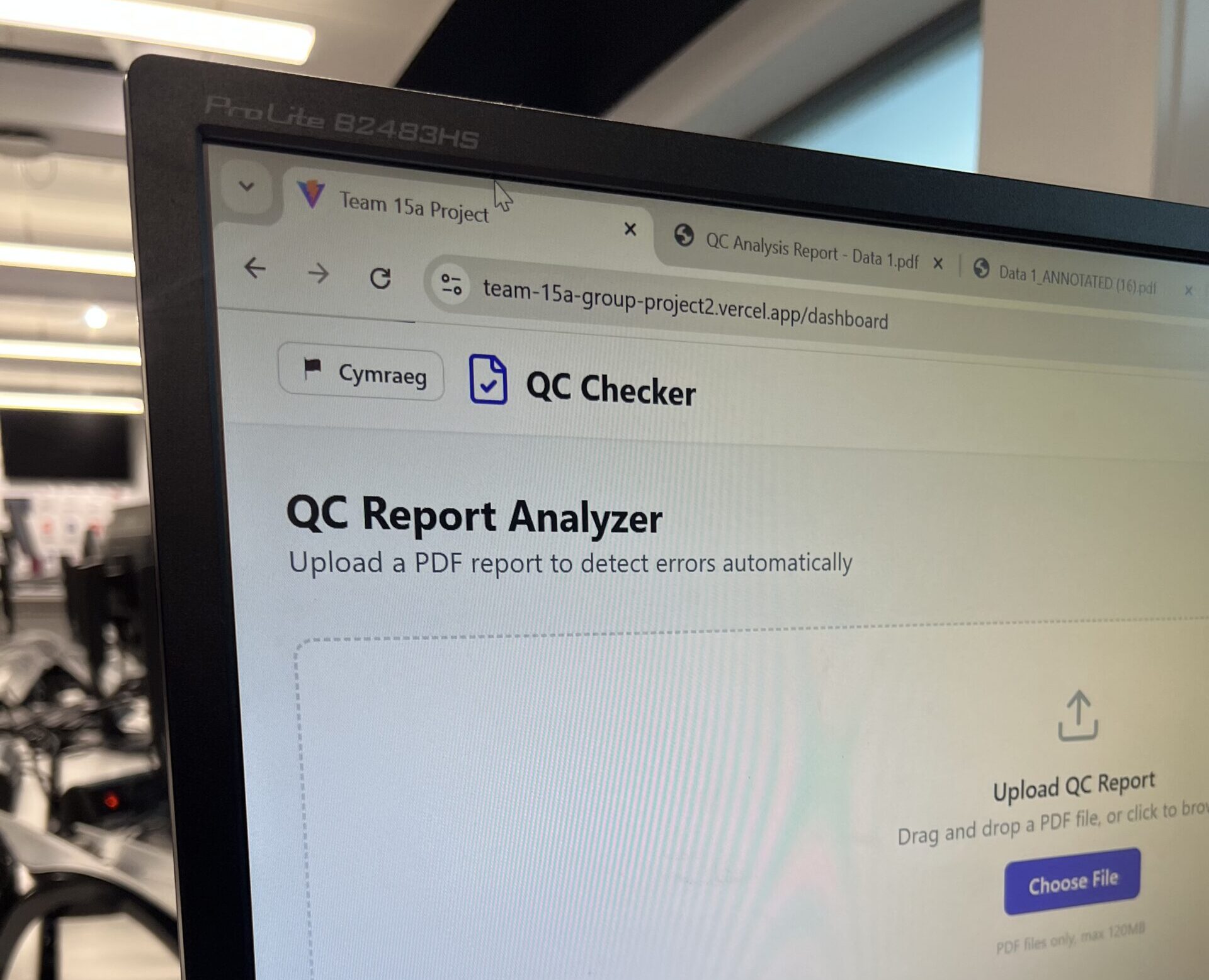
We asked the teams to explore whether a tool could review draft fire risk assessment reports and identify missing information, inconsistencies or common points for review before the formal quality control stage.
Fire risk assessments gave the students a clear starting point, but the wider thinking connects to something much broader for us: how we continue to use systems, data and technology to support high-quality delivery for clients.
The brief also introduced AI in a practical way. We were interested in whether a system could learn from examples over time, recognising patterns in strong reports and using that learning to support future reviews.
We were careful to frame the project as a problem to explore, rather than a solution to implement. That gave the students room to analyse the brief properly, make their own decisions and shape their own approach.
Working with the student teams
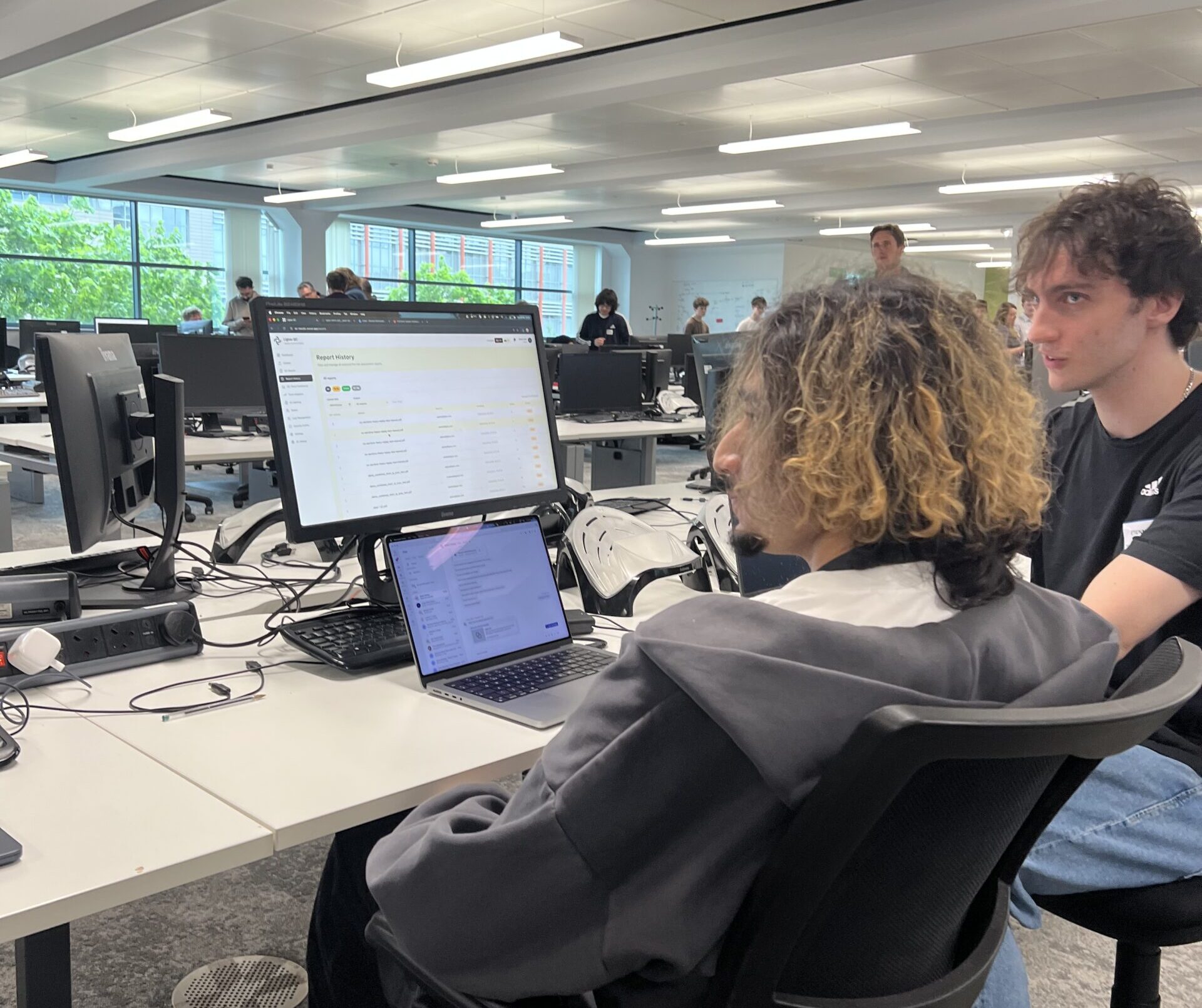
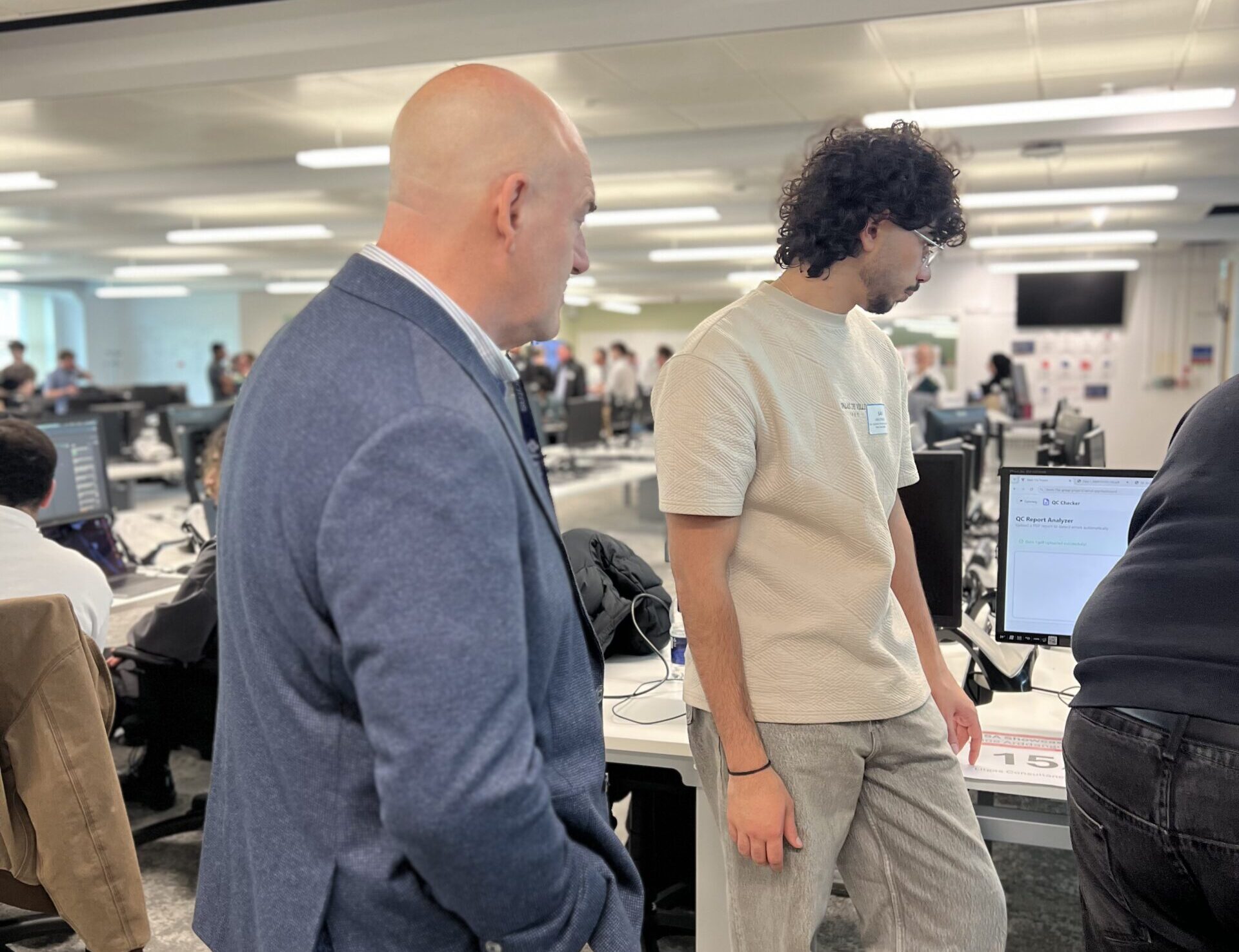
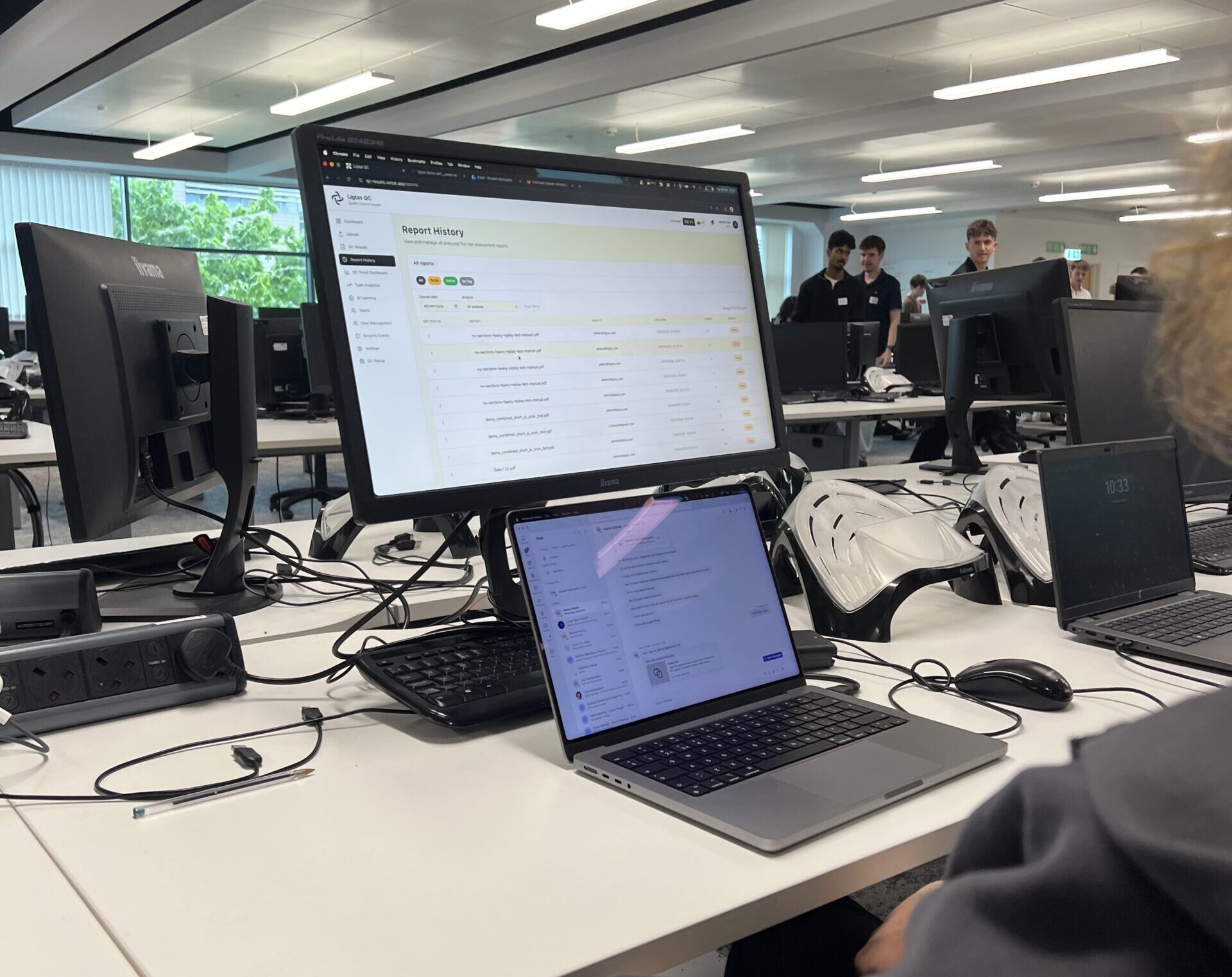
We worked with two student teams, both starting from the same brief.
That made the project especially useful. Each team had the same information and access to the same people, but they developed their thinking differently. It gave us two views of the same challenge, which helped us think more broadly about how a tool like this could be developed in future.
Throughout the project, we supported the students with background on how our reporting process works, what quality control means in practice, and why technical judgement is still so important in this area. We also gave them a walk-through of the relevant systems and workflow so they could see the process in context.
Fire risk assessment reporting is technical, and any software designed to support it has to understand enough of the working process to be useful. A tool can look good on screen but still fail in practice if it does not reflect how people actually work.
What impressed us was how seriously the students approached that part of the brief. They asked about the people who would use the tool, where the information sits, how a prompt might help, and what would make the output genuinely useful.
“Working with the students was a brilliant experience. We wanted to support the University in giving students access to a real business challenge, but we also knew we would benefit from hearing how they approached it. They brought fresh thinking, asked good questions and helped us look at AI and software in a much more practical way.”
— Jess Morgan, Commercial Director at Ligtas
Those conversations were valuable. When a business has strong established processes, it naturally builds its own language, shortcuts and assumptions. Bringing in students gave us the chance to explain our thinking clearly and hear questions from people approaching the subject for the first time.
Fresh thinking, grounded in real work
One of the strongest parts of the project was the balance between fresh thinking and practical application.
The students were learning current software engineering methods and exploring AI in a hands-on way. At the same time, they had to understand a sector that was new to them. That meant they had to listen carefully, ask for context, test their assumptions and build something that responded to the real brief.
From our side, it gave us useful space to look at AI without getting pulled into hype. There is a lot of noise around AI at the moment, and businesses are under pressure to “do something with it”. The more useful question is where it can support real work.
For us, that means looking at areas where technology can help improve consistency, make information easier to review, and support better use of data. The project helped us explore those possibilities in a focused way, without losing sight of the importance of technical expertise and human judgement.
Technology can support good practice, but it has to be built around the people, processes and responsibilities that already exist. The student teams seemed to understand that, and their work was stronger because of it.
What businesses can learn from student projects
There is a useful lesson here for any business considering working with students or universities.
The value is not limited to the prototype at the end. A good student project can help a business explain its own processes more clearly, because you have to make the problem understandable to people outside your organisation. It can show where your data is useful, where your processes are well defined, and where knowledge still sits mainly in people’s heads.
It also gives students a much more honest experience of business. They see that real work involves judgement, constraints, changing requirements and people with different priorities. They learn that useful software has to serve the user, not just satisfy the brief.
It is also why we think more businesses should consider getting involved in this kind of project. When the brief is well scoped and the students are properly supported, it creates a meaningful exchange between education and industry.
The showcase event
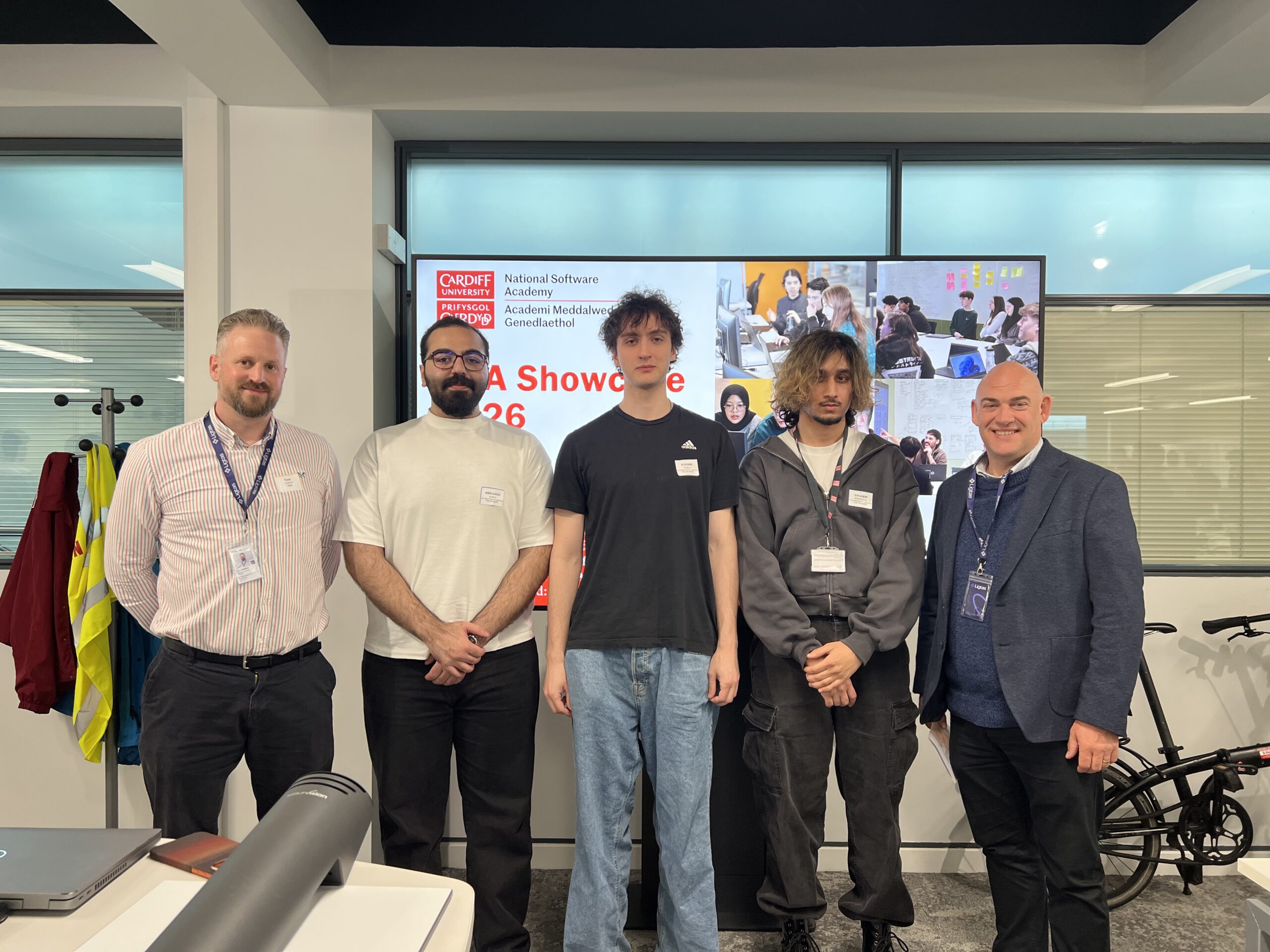
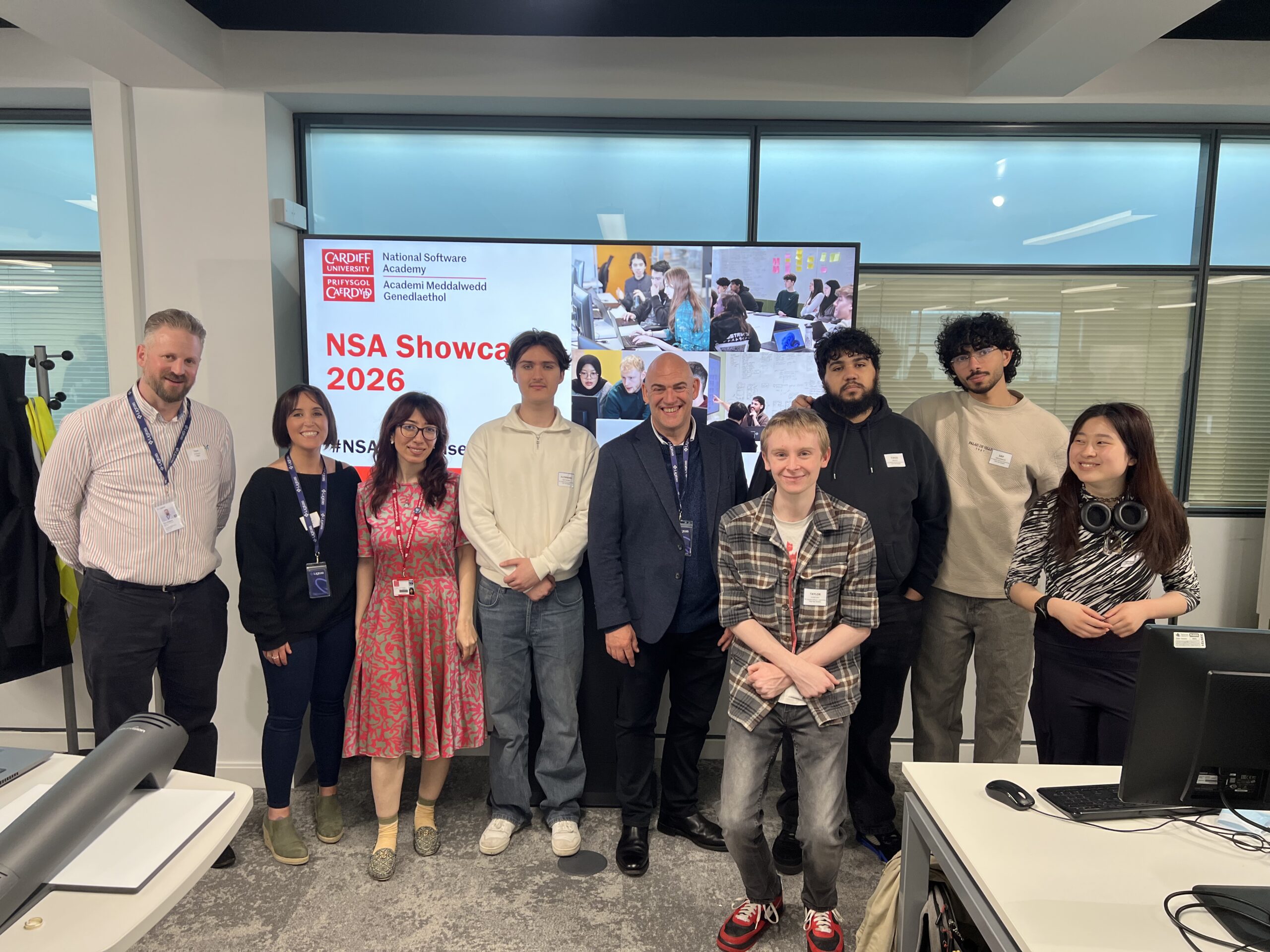
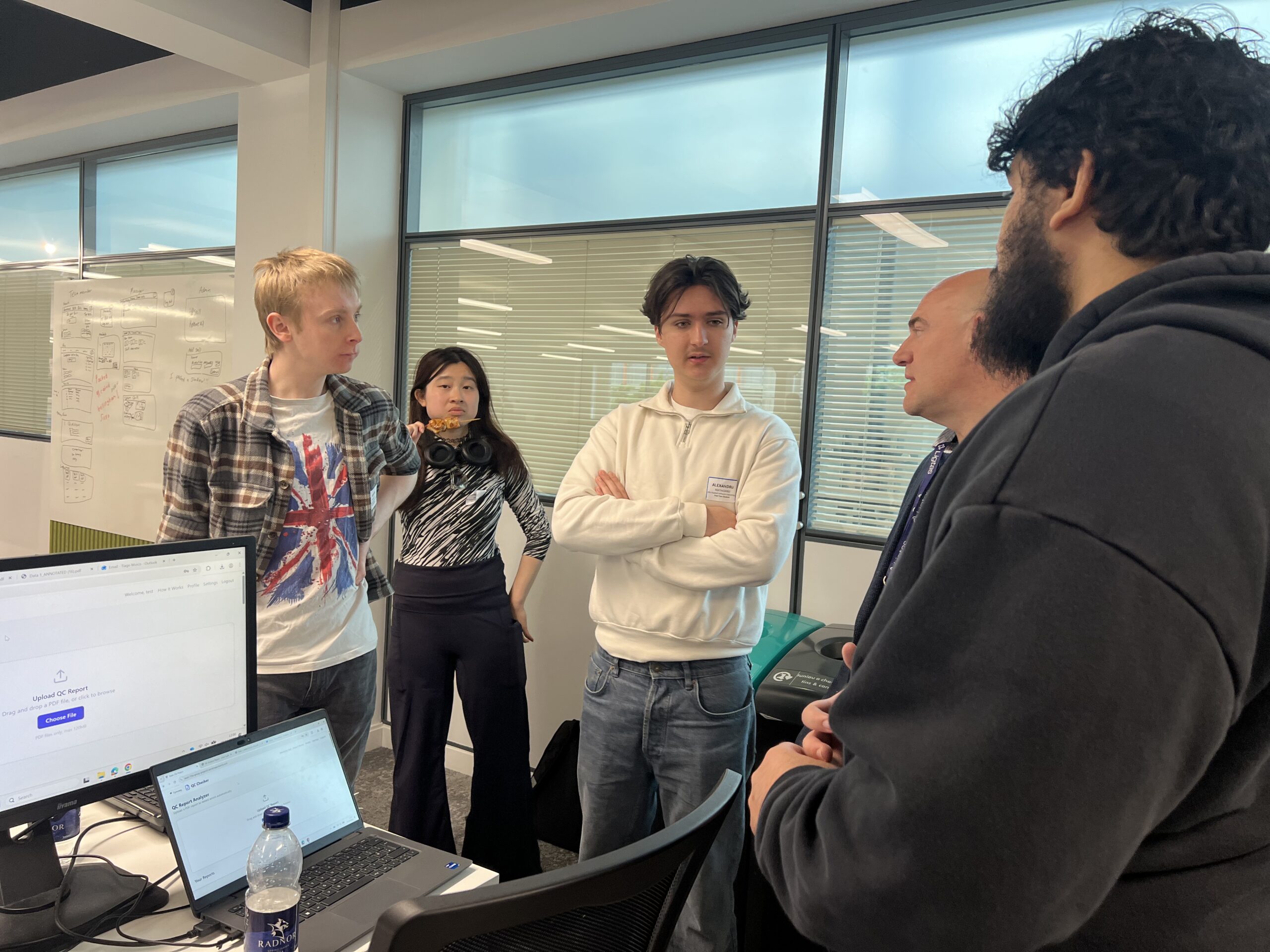
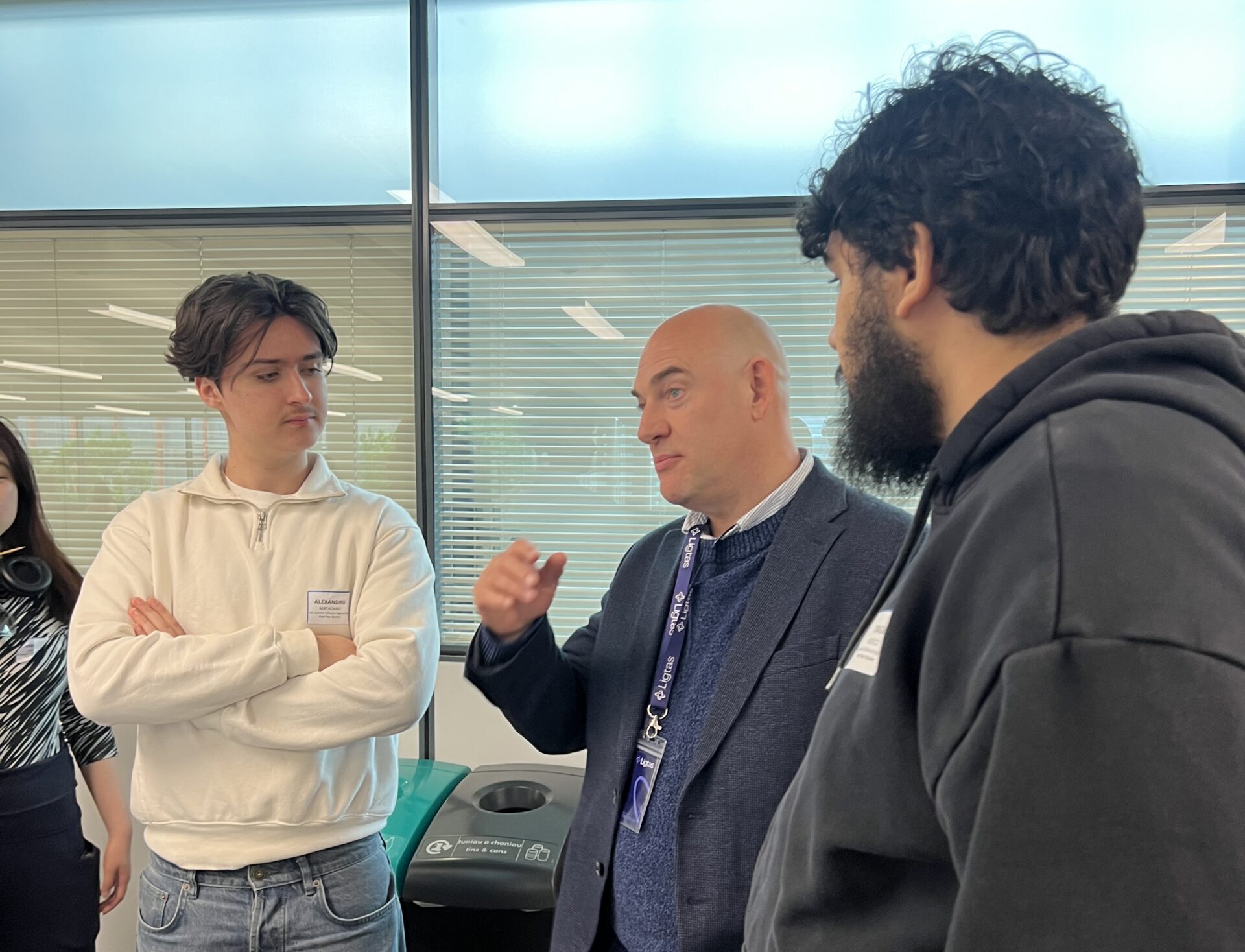
The project finished with a showcase event on 28th April 2026, where both teams presented their work.
It was a proud moment for the students, and it was genuinely enjoyable for us to see how far they had taken the brief. Each team explained their thinking, demonstrated what they had built, and talked through the decisions they had made along the way.
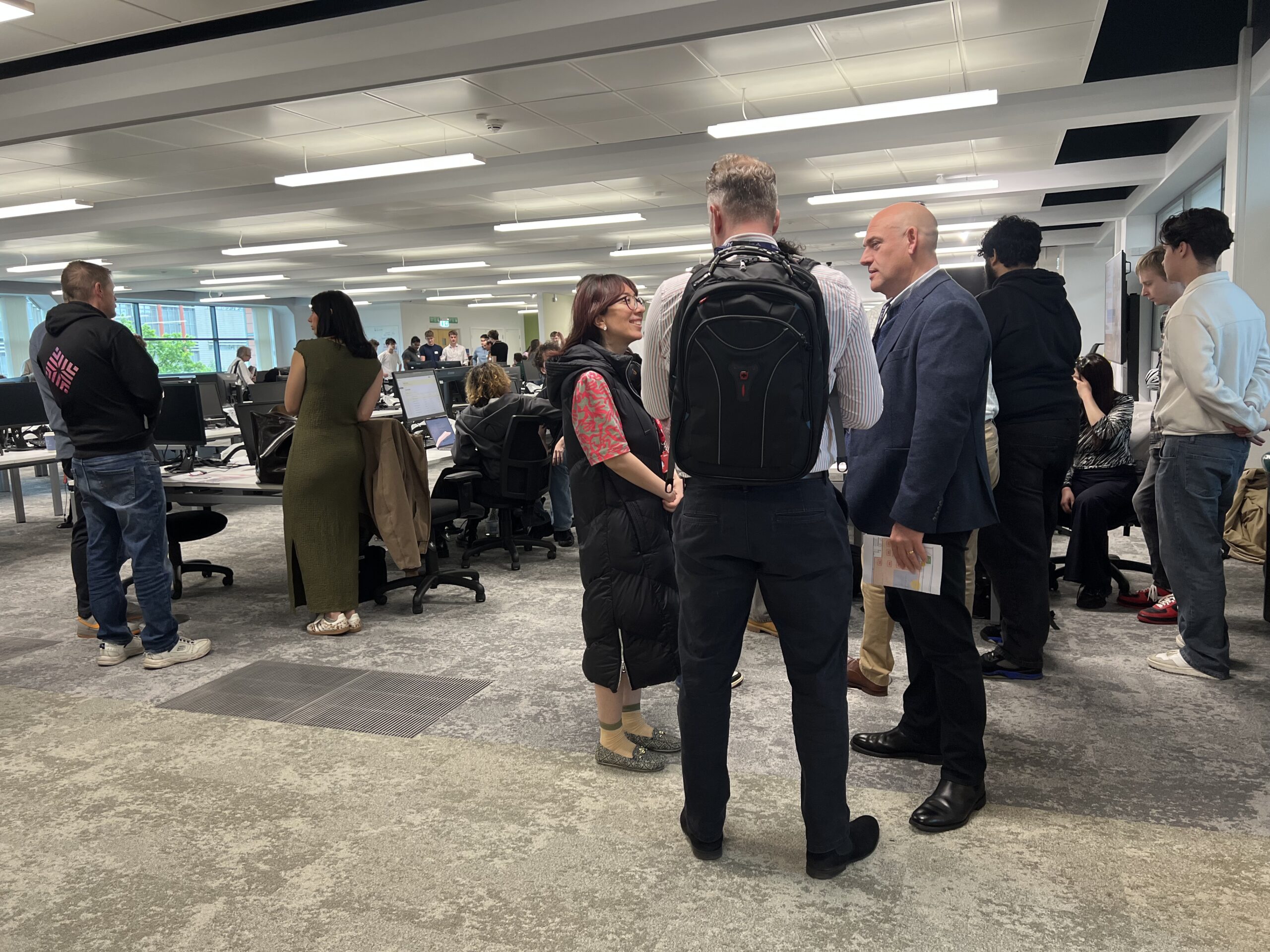
The showcase also brought the collaboration to life. The working sessions, questions, feedback and presentations are the parts that made the project feel worthwhile. Software was the focus, but collaboration was what made it work.
Where this takes us next
The project has given us useful thinking to take forward as we continue developing how we use technology, data and AI across Ligtas.
We are not sharing the technical detail publicly, as some of the ideas have future potential for how we improve efficiency, strengthen reporting and support our teams as the business grows. What we can say is that the project helped us see how software could support high-quality work that is already happening across the business.
Better use of technology can help make information easier to review, patterns easier to spot and processes easier to manage. For clients, that means clearer outputs, stronger consistency and continued confidence in the work we deliver.
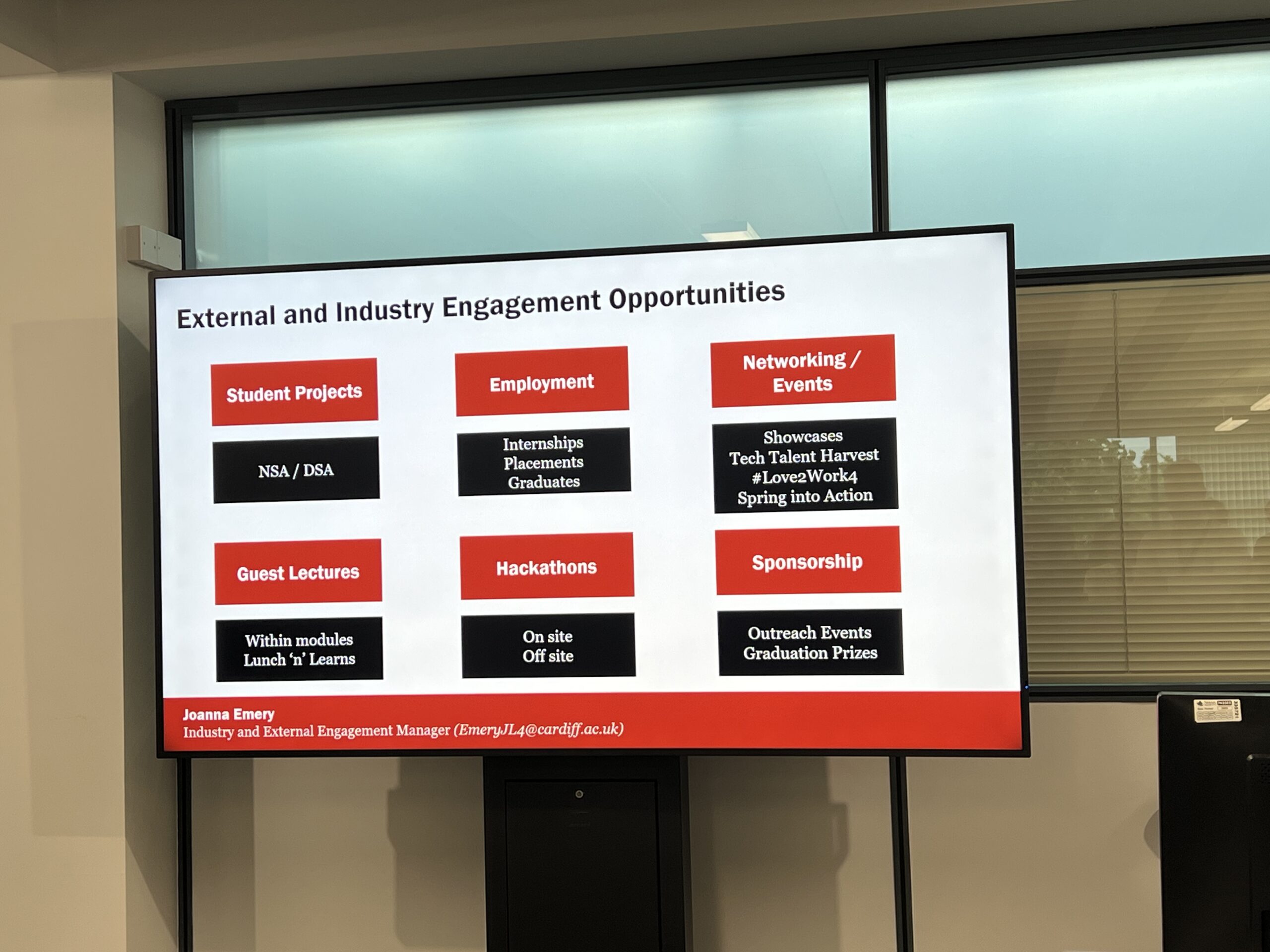
We are now looking forward to submitting another project for the next cohort of students. We would also like to explore opportunities to support the University through Lunch and Learn sessions or guest talks, where we can share practical insight from our work in health and safety, fire safety, consultancy, training, data and client delivery.
There is plenty that students can learn from industry. There is also plenty that industry can learn by listening properly to students.
“The quality of work and the level of engagement from both teams was excellent. They took the project seriously, spent time understanding the context and presented ideas that were thoughtful and practical. As a business, we want to keep improving how we use technology and data, and this project has been a useful part of that conversation.”
— Shaun Ashmead, Managing Director at Ligtas
Final reflection
Projects like this work because both sides bring something useful.
The students brought technical knowledge, energy and a willingness to test ideas. We brought a real business brief, sector knowledge and the experience of delivering safety work in practice.
Together, that created a project that supported student development and gave us useful insight into how technology could help us keep improving.
We were pleased to be involved, proud to support the students, and excited to see what the next cohort brings.