Looking for an IOSH or NEBOSH course? Browse our 2026 courses here.


Manufacturing Safety Culture and Leadership: Insights from the Ligtas Roundtable
NEWS
April 2026
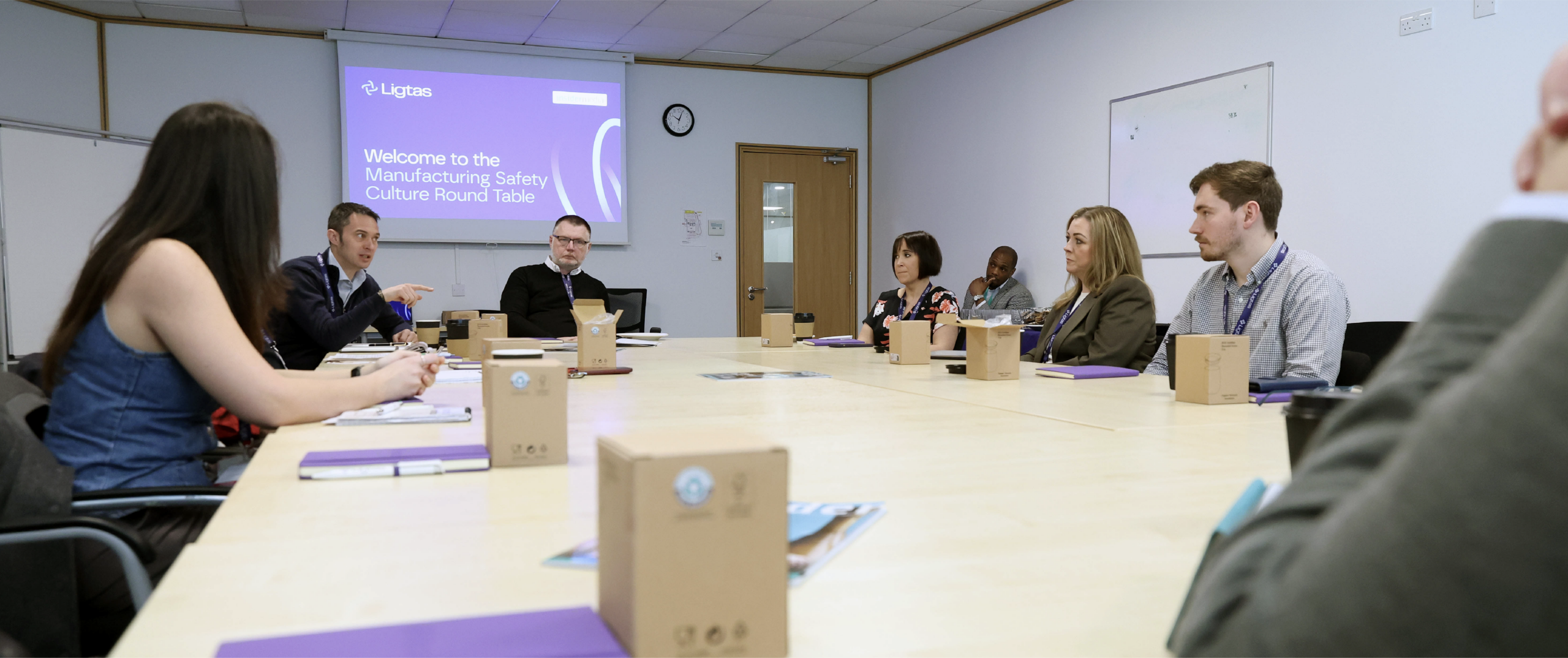
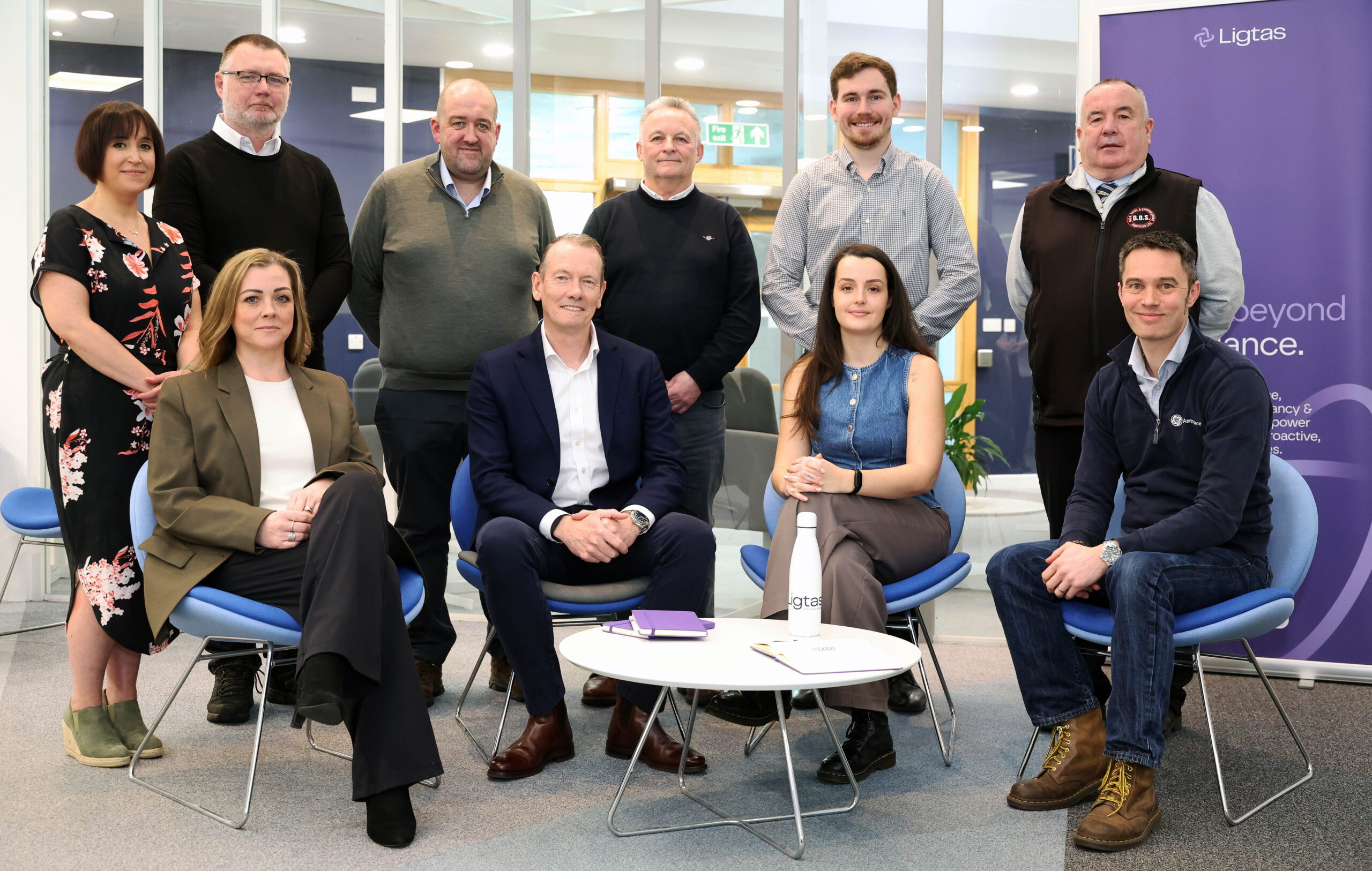
Health and safety culture in manufacturing does not improve by accident. It is shaped by leadership, reinforced by management, and tested every day on the ground. That was the focus of a roundtable we hosted in March at Ligtas HQ in collaboration with Insider.
The focus was practical from the start. People spoke about leadership, operational pressure, reporting, the challenge of culture, training, system design and the habits that build up over time on busy sites. The question behind all of it was clear: what helps standards hold when the business is under strain?
Health and safety culture is tied closely to business performance. It affects decision-making, operational discipline, reporting, trust and how a business responds when pressure builds. If standards only hold when conditions are easy, the culture is not strong enough.
For Ligtas, this subject matters because it sits at the heart of the work we do. We are not here to help organisations scrape through an audit or add more paperwork to the pile. We work with clients who want stronger standards, clearer accountability and safer day-to-day practice across the business. That means helping leaders make better decisions, helping managers hold the line when pressure builds, and helping teams understand what good looks like in the real world.
Why leadership sets the standard for safety culture in manufacturing
Leadership came up again and again during the discussion, and for good reason. Safety culture is shaped by what senior people insist on, what they challenge, what they let slide, and the example managers follow on site. It also shows up in the gap between what a policy says and what people are actually expected to do when deadlines are tight.
That gap becomes obvious in manufacturing. Production pressure is real. Timelines move. Commercial decisions affect what happens on the shop floor. If safety is pushed behind output when things get busy, people see it straight away. If leaders hold the standard when it is inconvenient, people see that too.
The discussion also made something else clear. Training, reporting, consultation and systems all matter, but they do not work properly if leadership is inconsistent. That is why senior leadership capability still matters so much. Strong safety cultures do not happen by chance. They are built by leaders who mean what they say and back it up in practice.
What manufacturing leaders said about safety culture, leadership and systems
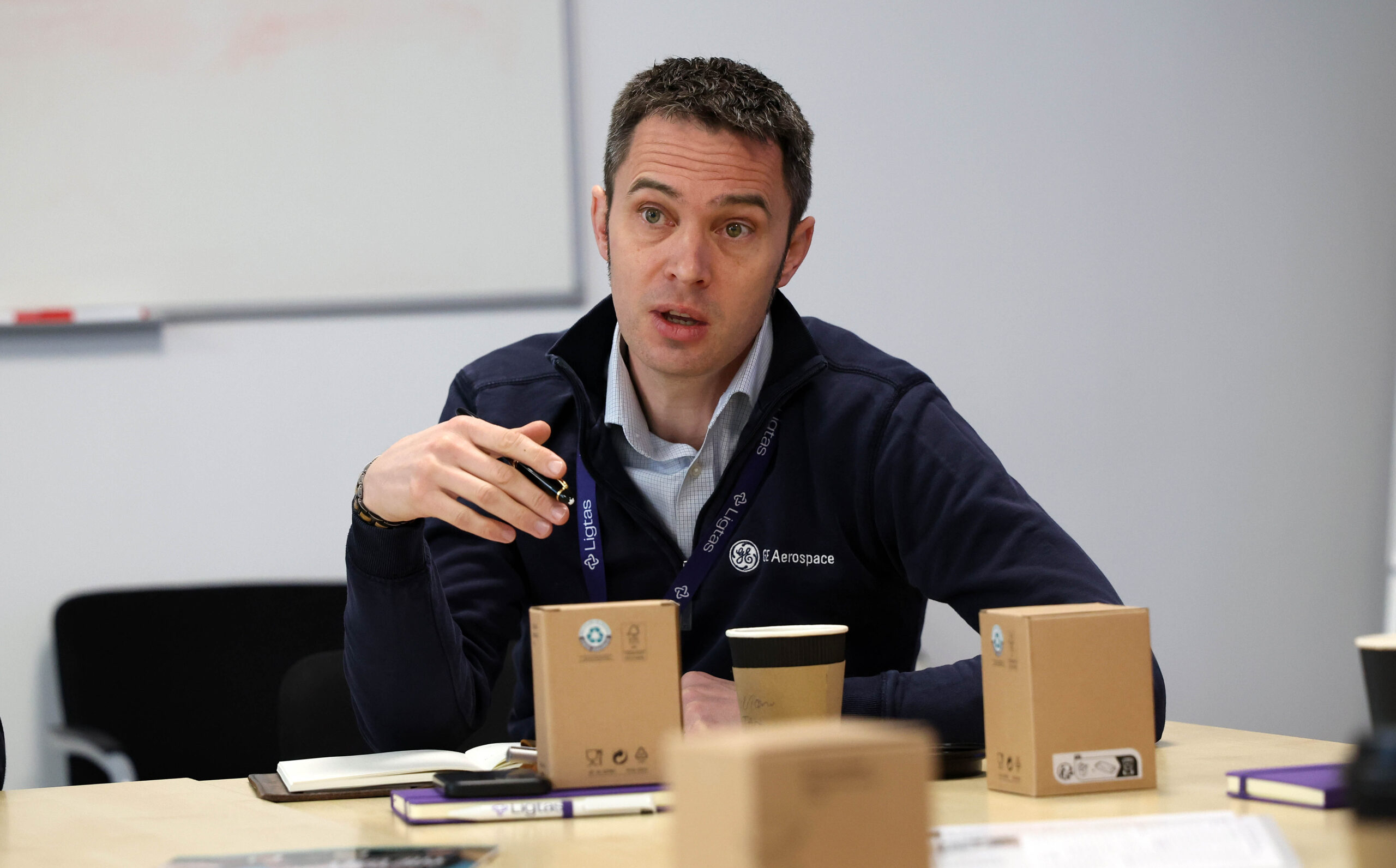
Ian Beddis, Head of Environmental, Health and Safety - GE Aerospace
Consistency: Safety isn’t a priority, it’s a value. Priorities always change. Good safety is simple things done consistently. That's everything from the way you approach a task, to the way you put the messaging out, to the way you respond to queries or near misses. One challenge is looking at mental health, mental wellbeing and burnout, balancing that with AI (artificial intelligence) introduction and automation.
Systems: An accident is not always the fault of an individual. It's a potential failure of the system. A lot of systems, processes or risk assessments don't allow the individual to make a good choice. So we're trying to improve our systems.
Leadership: The messaging from us starts with the leaders and their behaviours. If you commit to doing something, you do it, and you have very clear messaging.
Prevention: Low level, accepted (risk) that happens at the shop floor level is the biggest challenge for us. Now we ask: How would we guarantee that we have an accident doing this? If we look at what's definitely going to cause an accident, how do we prevent those from occurring? Don't accept your personal risk tolerances.
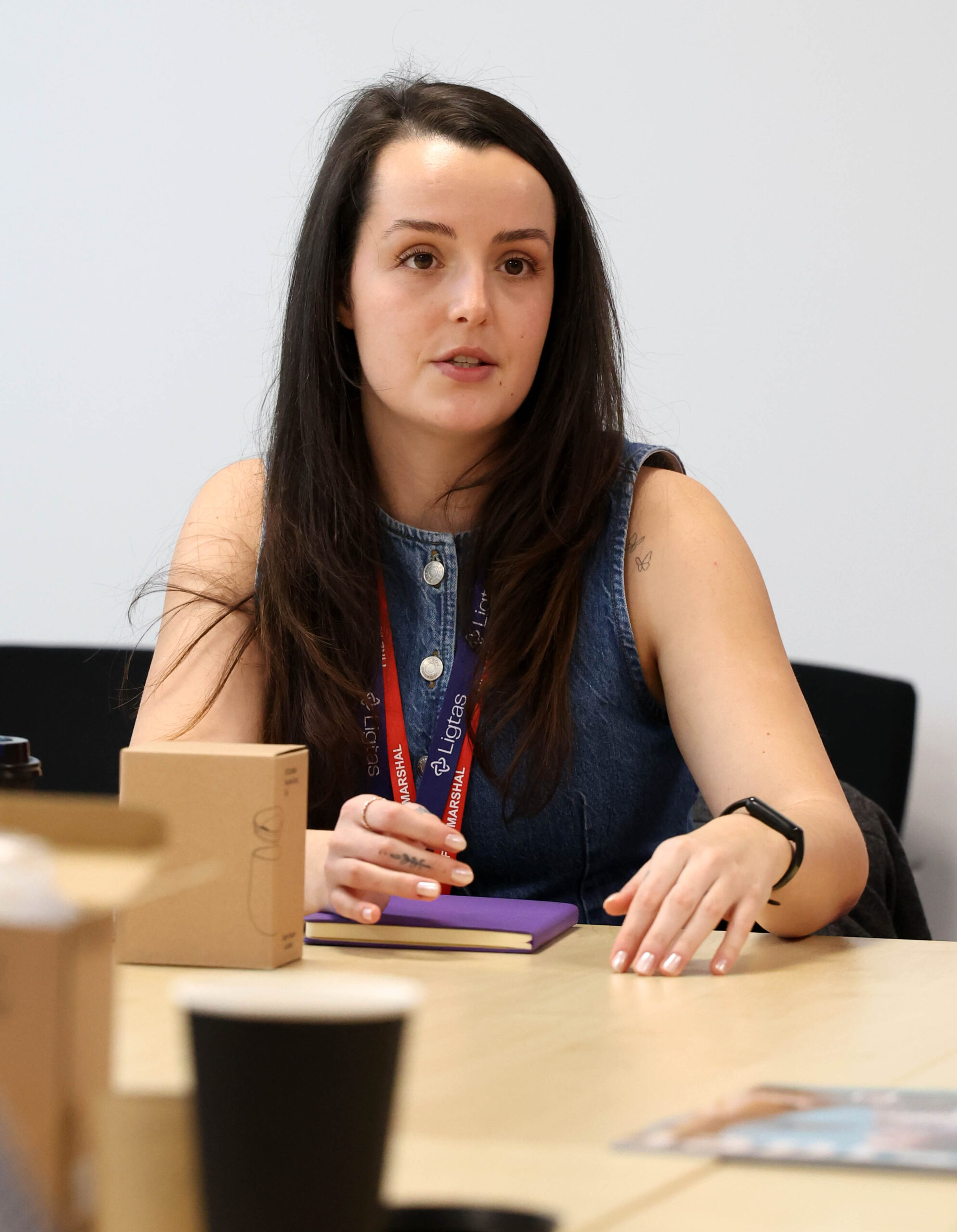
Hannah Stansfield, Environmental, Health and Safety Officer - Biocatalysts
Education: Teaching (staff) what safety means and how they’re going to benefit from it is important. It's not just keeping themselves safe, it's keeping their colleagues safe.
Leadership: The objectives need to come from leadership. You need to (consider): Why are we doing this? What do we want to gain from it? Show the leadership commitment to put it into place, and then (secure) buy-in from the shop floor. We're doing that over the next couple of years. It's not something that can change quickly.
Safety culture: If standards slip, you need to be focused on understanding why they slipped. We amended our incident investigation form to include human failures, task issues and environmental issues with regard to the workplace - for near misses as well as accidents. We're trying to encourage a culture of looking at the root cause, not the immediate cause - which is more often than not just a lapse or a mistake.
Encouragement: Frame the safety culture drive in a way that isn't about what's wrong - it's what could be better. Be proactive rather than reactive. You want people to buy in, so getting their opinions is really important.
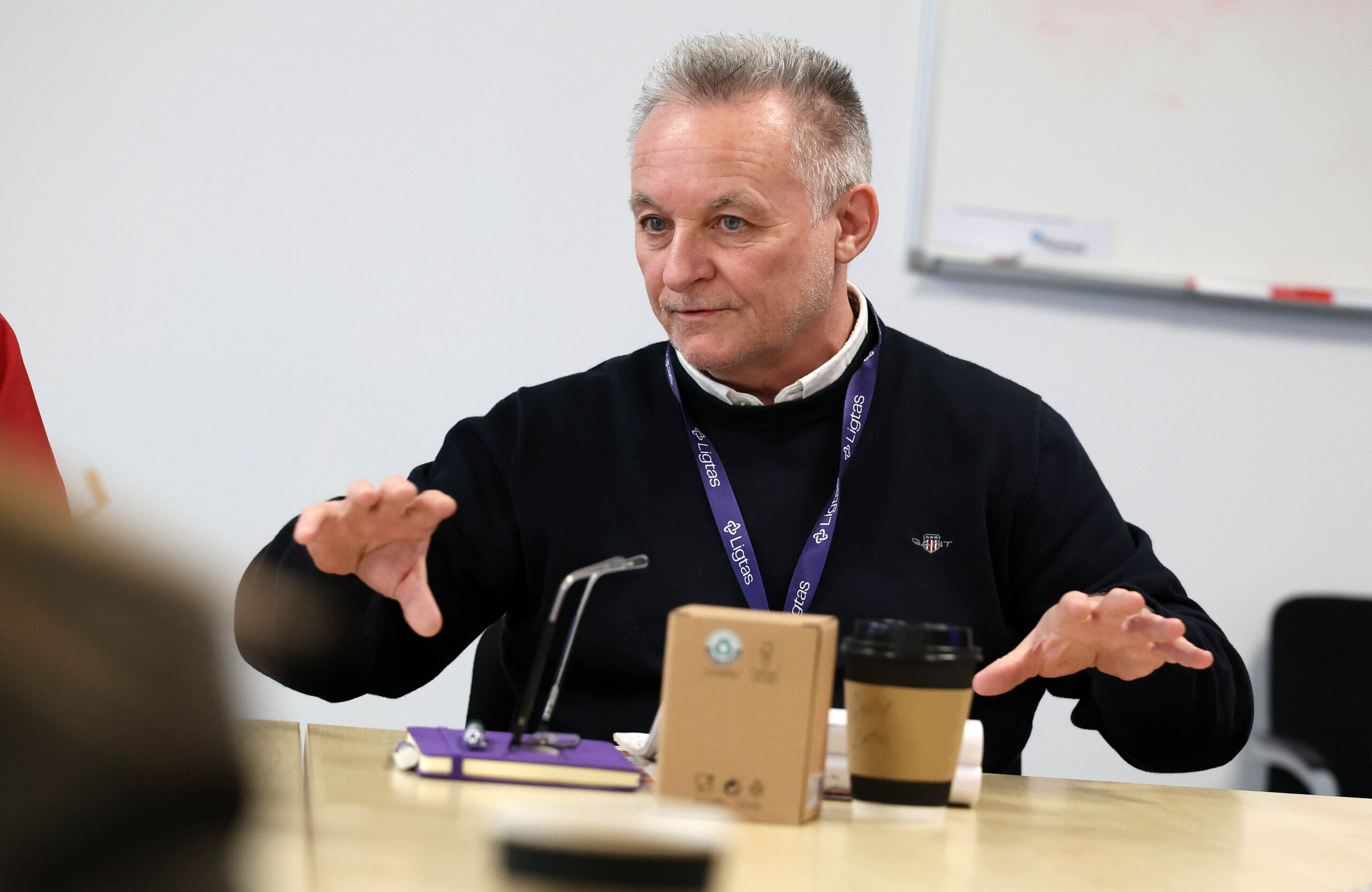
Gary Edge, Head of Group Environmental, Health and Safety - Renishaw
Values: Safety needs to be part of the organisation's core values, rather than just compliance.
From the top: It needs to be driven from the top and all the way down. So it's not just the environmental, health and safety team. It goes on to the manager on the shop floor and across the whole company. It’s the leadership team on the shop floor, leading by example, maybe doing tours, wearing the correct PPE (personal protective equipment) when they go on the shop floor, and asking the right questions.
Interaction: It's psychological safety as well. You can ask how (an employee’s) day is going. What are you doing here? What are the risk implications? We're trying to build that culture.
Reporting: We carried out a near-miss campaign to try and get everybody involved. People can scan a code and (report) a near miss. It is important to get back to the individuals to close that action down; and to report good practices - congratulating (staff) on doing something good.
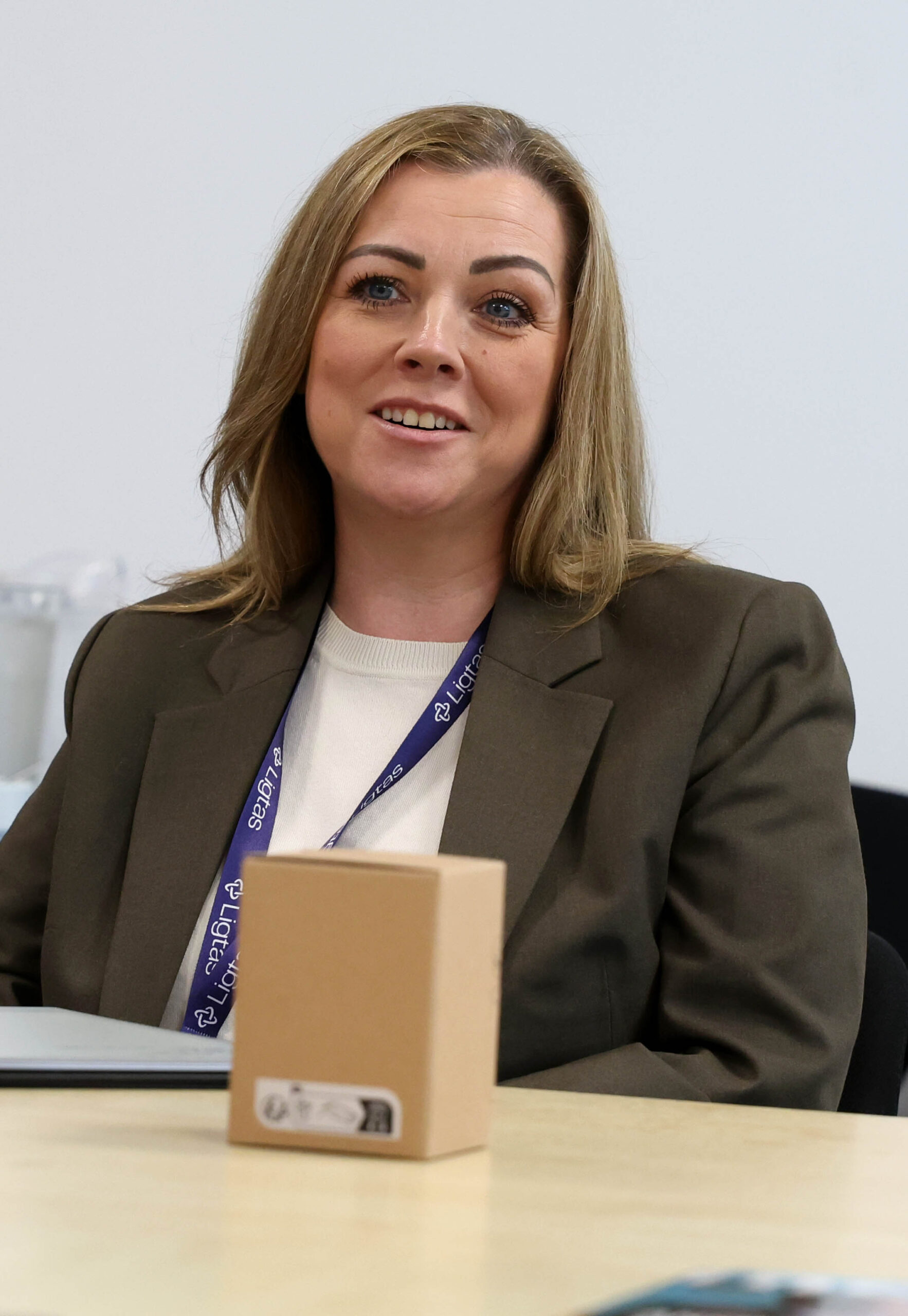
Angela Worgan, Managing Director - Abbey Glass Cardiff
Culture change: We’ve invested quite a lot in health and safety. It’s taken a good three years to change behaviours. We need people who come in to see that we're at the top of our game. The culture of the team now is they feel like we really care. They feel like they are being looked after. They can talk in open forums. They report everything. We've got a real honesty about it all now.
Responsibility: The most important thing is training and educating people that they're responsible for everybody around them, not just themselves. We make sure that people are rewarded for taking responsibility.
Consultation: We said that everyone must wear safety glasses on the shop floor. We had a meeting and somebody happened to say: “They're so uncomfortable.” So we started looking at different kinds. Everybody tried them. Some people wanted to wear their own glasses, but have shields. We really adapted. We don't have issues any more, by listening to staff.
Reporting: I didn't think we were reporting enough near misses, so we encouraged people to report near-misses. We have made it easier to report things, and actually do something about them.
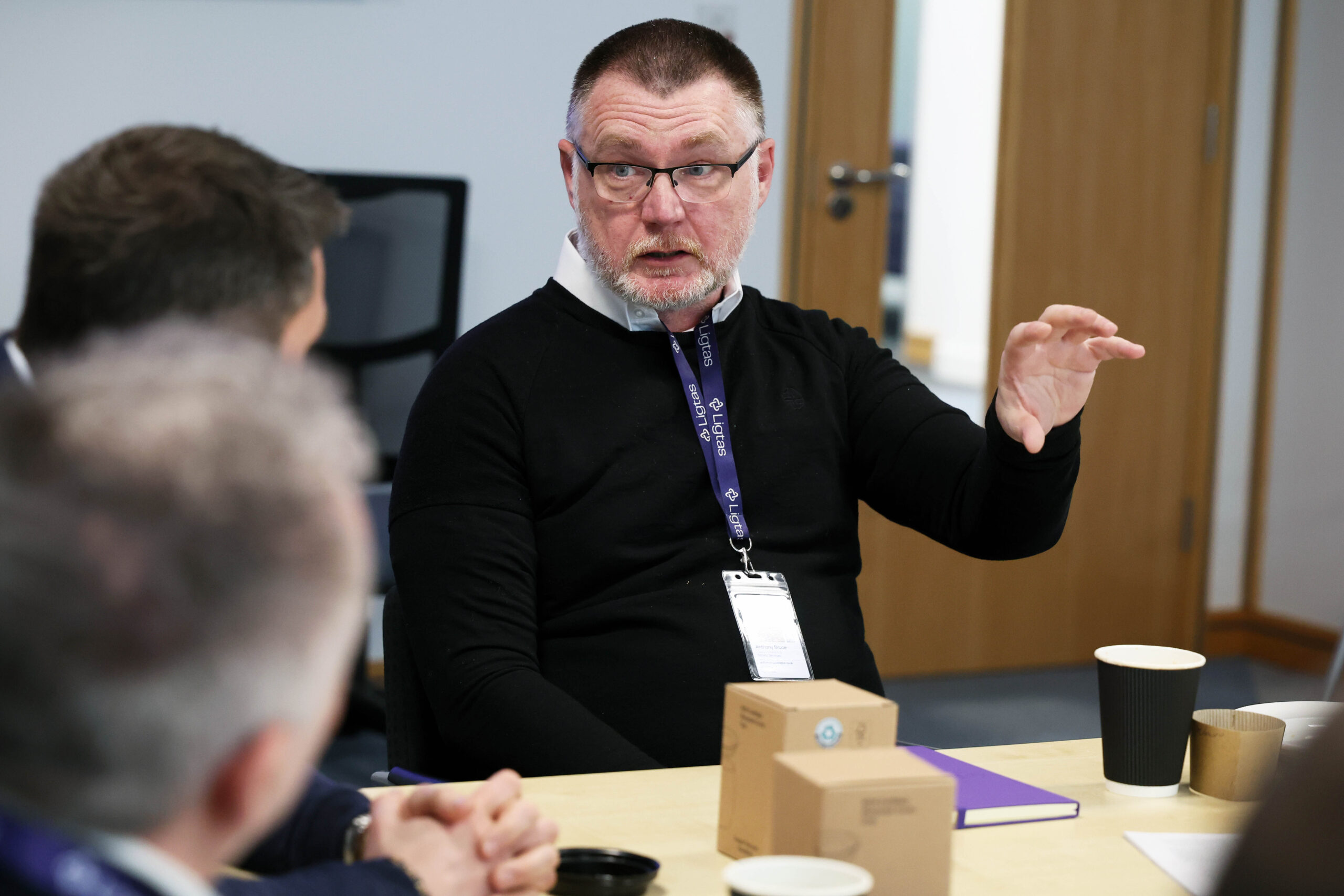
Anthony Bruce, Head of Health, Safety and Training Services, - Ligtas Consultancy and Training
Safety culture: One person can destroy a safety culture overnight, particularly more senior people. It's very difficult to improve safety culture, very easy to destroy it. If you've got one director who says: “I only care about production,” that's it. That goes all the way down, and everything else takes second place. Look out for those people and tackle them where they need to be tackled. Otherwise, years of work can disappear overnight.
Management: Safety culture starts at the top. Everybody knows the right words to say. But (if) it doesn't happen at the bottom, where does it break down? It's the middle management. You need to convince the middle management that you're saying what you mean.
Compliance: A lot of companies say it's very difficult to get compliance. That's not true. Any reasonable food site will have food safety compliance of 100 per cent, because clients can walk through the door anymore and do a spot check. Every workforce can become compliant.
Consultation: Consultation differs from provision of information. Consultation is: “This is what's got to happen. Let's talk about how it happens and why it's got to happen.” That way you get buy-in from the workforce.
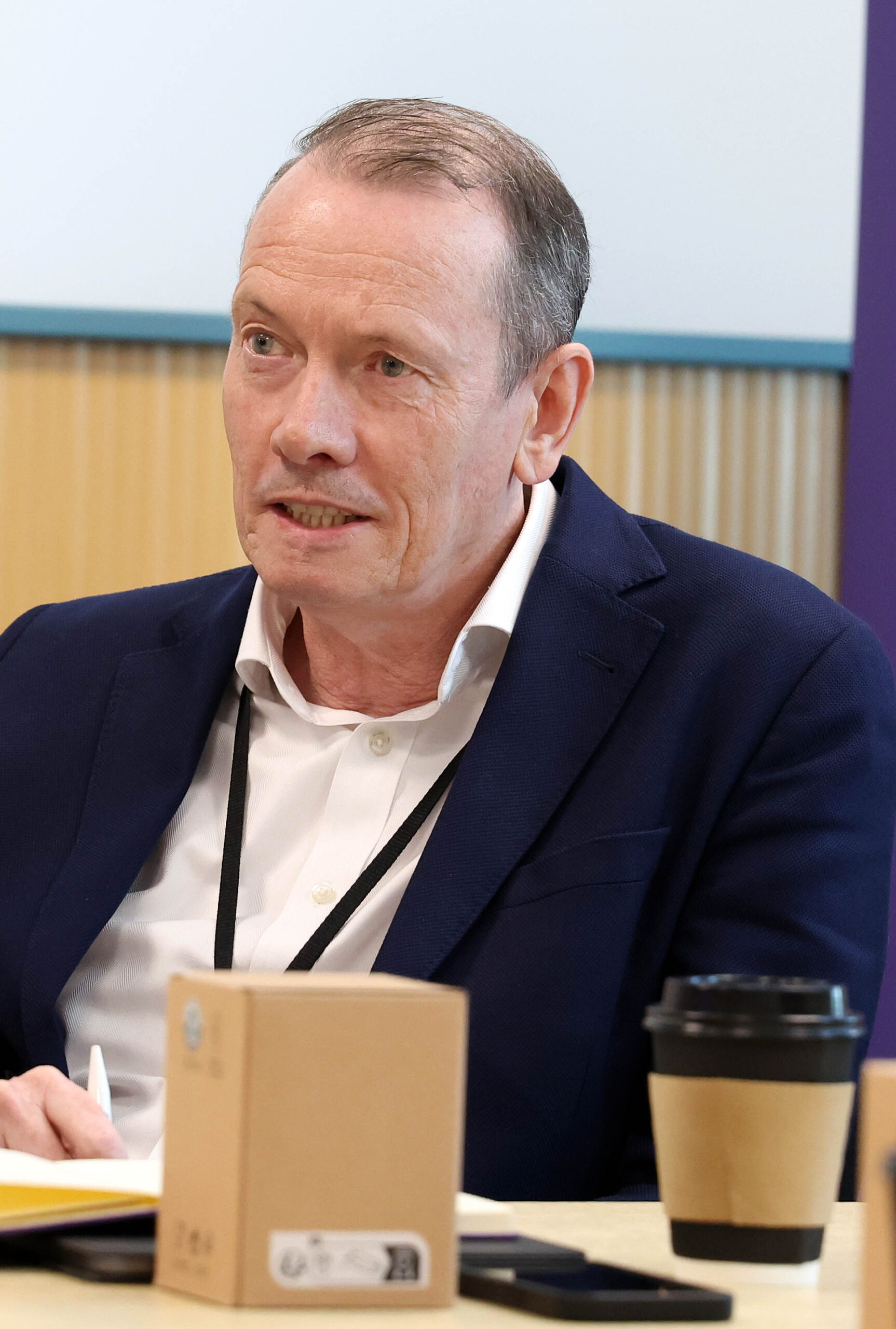
Neil Winstanley, Chief Operations Officer, Eakin Healthcare
Safety culture: A good gauge is what happens when people aren't watching. The only way you (support) that is by engaging people and getting them involved in creating those systems.
Accreditation: We used to have ISO 45001 (safety accreditation). We were creating documents, processes and procedures that got us through an audit. But weren't changing the grassroots culture. Now it’s about how we build a culture that it's not just a box-ticking exercise, it actually makes a difference.
Interaction: One challenge is people challenging each other, because they don't naturally like creating conflicts. You've got to find a way of doing that in a non-aggressive, non-confrontational way. If one person turns to another and says: “Have you thought about putting your safety glasses on?”, you've got it.
Monitoring: We've brought in a tracking system that pings out emails when there is an observation, a near miss, or an incident. I get an email and I respond instantly to that: “Is everyone OK? Do you need any equipment?”
Eliminating risk: How do we eliminate the risk in the first place, rather than protect people from it? You get away from interaction being an issue if you can remove the risk.
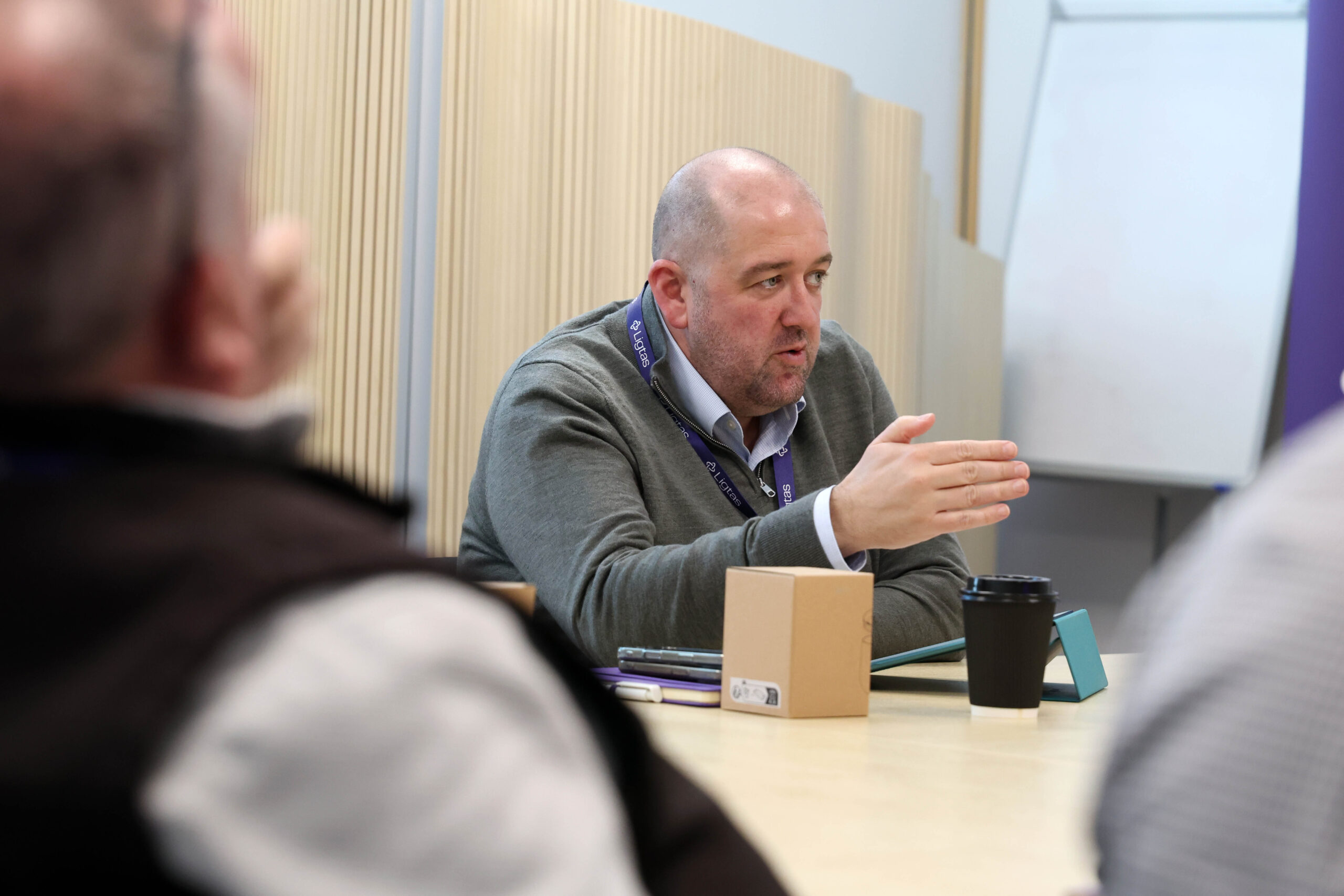
James Tuck, Operations Director, Siltbuster
Priority: We make safety the first thing we talk about every time we do a brief and every time we do a meeting.
Engagement: I am engaging the team. Before I joined, the company rolled out new PPE (personal protective equipment), but hadn't really asked the workforce: “What do you think?” It is about leadership, encouraging people to do the right thing - and if something is not right, (ensuring) that it's alright to take action and stop work.
Assessment: We've implemented electronic point-of-work risk assessments. Every time our field-based engineers turn up to do a job, we ask them to go through an electronic form to confirm what risks are present and what actions they can take. It's empowering them to say: “I need some more equipment,” that kind of thing. It is about making people think before they act.
Culture change: The key thing is creating an environment of ownership and challenges. Every time you bring something new, you go through the same cycle. Different people go through that cycle at different speeds. It’s about managing that safely and suitably.
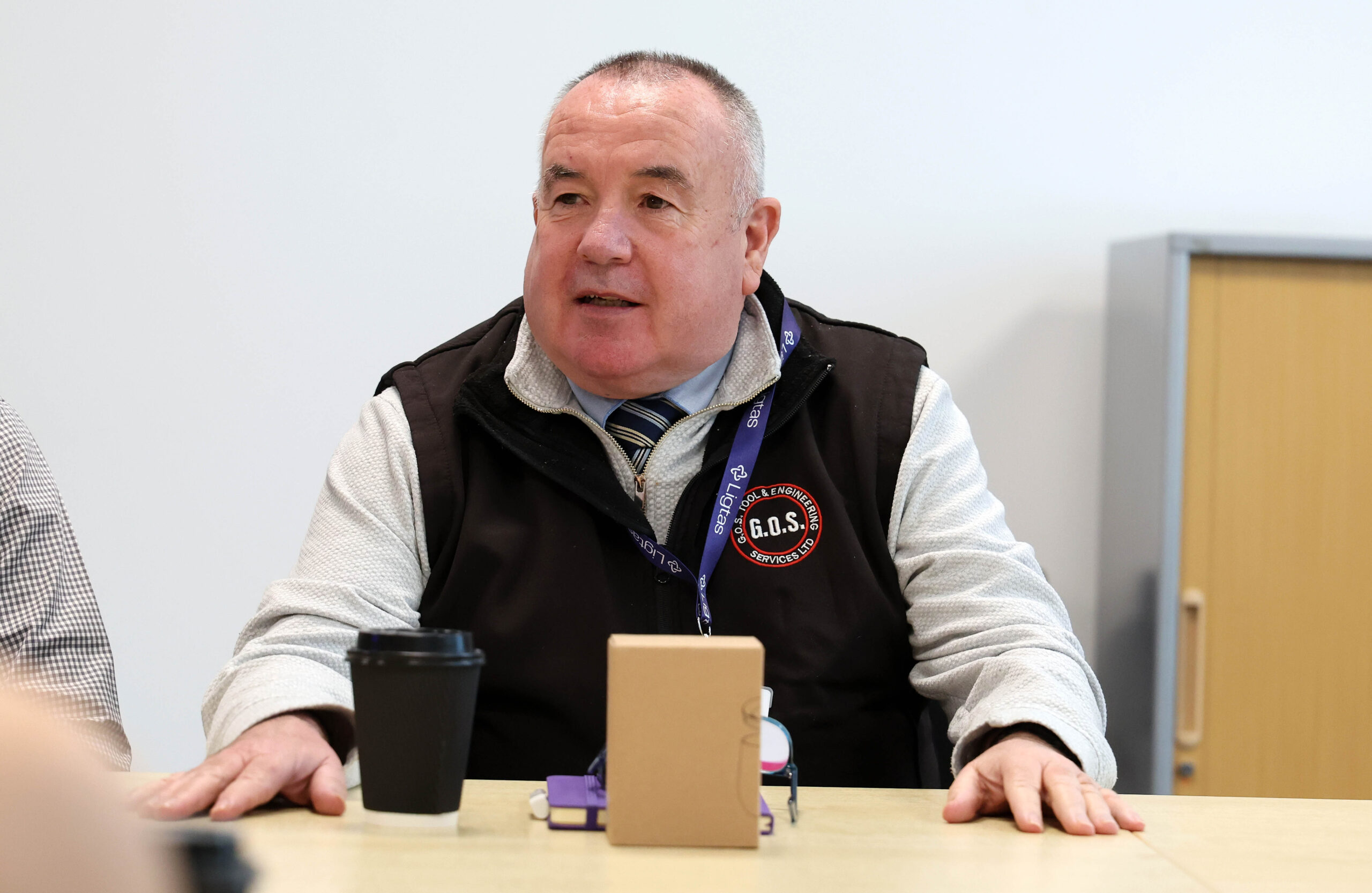
Mike Prew, Sales Engineer - GOS Tool & Engineering
Engagement: We gave employees ownership. They meet as a group to put their actions forward. That seems to have worked. We are slowly getting there. We are implementing changes by involving the workforce.
Acceptance: We have people close to retirement and others just out of school. People who have done the job all their lives will say: “I never used to do it like that back in my day.” But those days are gone. I think that younger people can engage a bit better. The only way we can enforce (safe working) is to go down the disciplinary route. We try to keep away from that as much as possble. But that culture change needs to happen for all of us.
Support: Our (health and safety) consultant comes in on a Wednesday. When I go around the shop floor on a Wednesday morning, all the guards are on the machines, everything is nice and clean. It’s psychological, I think. I'm going to see if we can get him to change his days now and again.
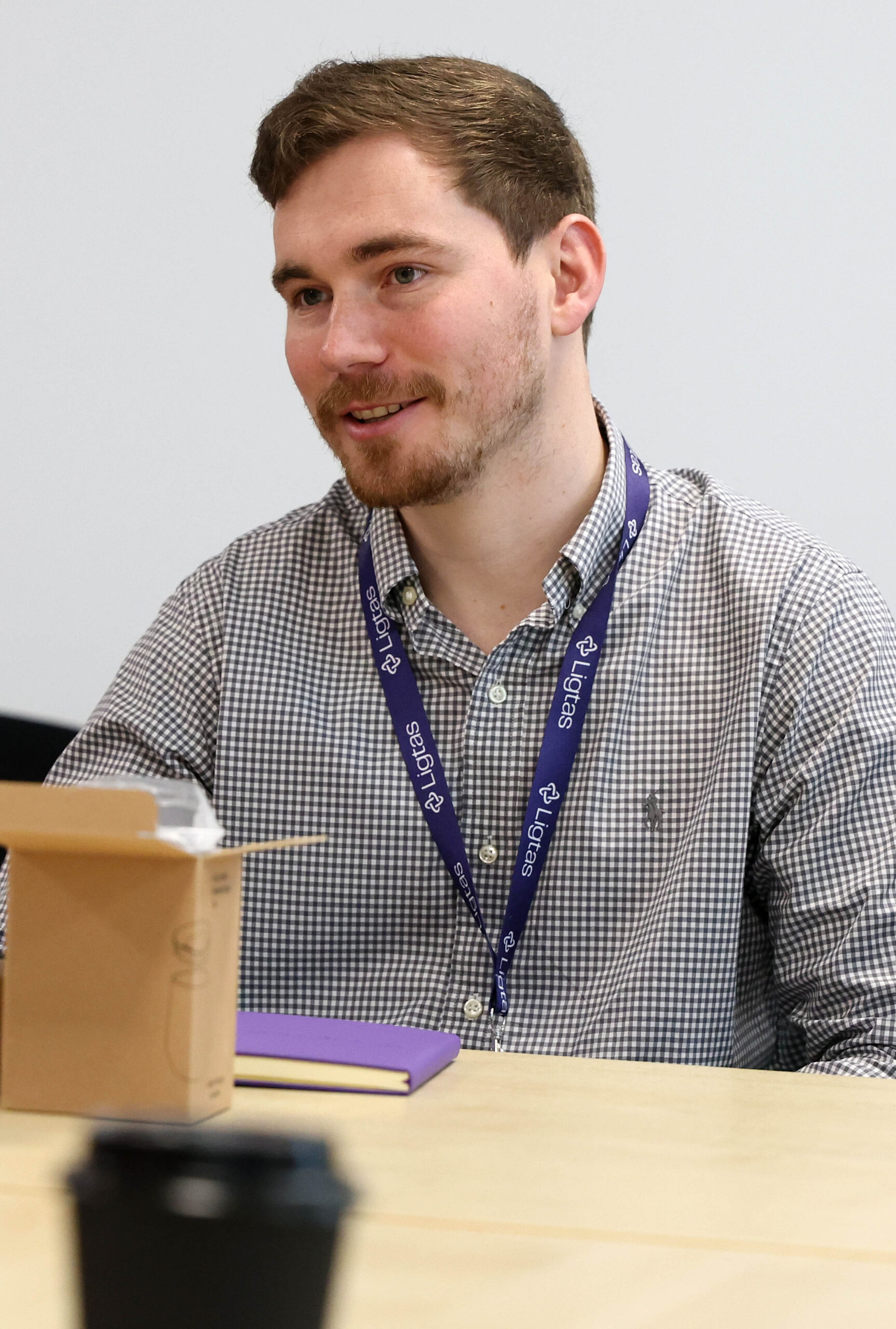
Dylan Nash, Commercial Director - Abbey Glass Cardiff
Safety culture: The previous culture was seen as people just complaining and moaning. Now, if you raise it, it will get addressed. And if it doesn't get addressed, we say why. It's good to be honest and open.
Pride: Making people understand the reasoning behind having a safe environment has helped not only safety, but now people take a lot more pride in their work. Now it's pristine. We've got designated walkways. Everything's nicely organised and stacked.
Machinery: We're investing in making the job easier. We put cranes and lifting aids in place. We explained that it's fine that it's slower, because (employees) can do that all day, every day, and it's comfortable and safe. Now there is such a different mindset. It's much easier, and they actually enjoy their jobs more.
Layout: We’re changing the layout of the factory. Historically, it wasn’t laid out in the most ergonomic way.
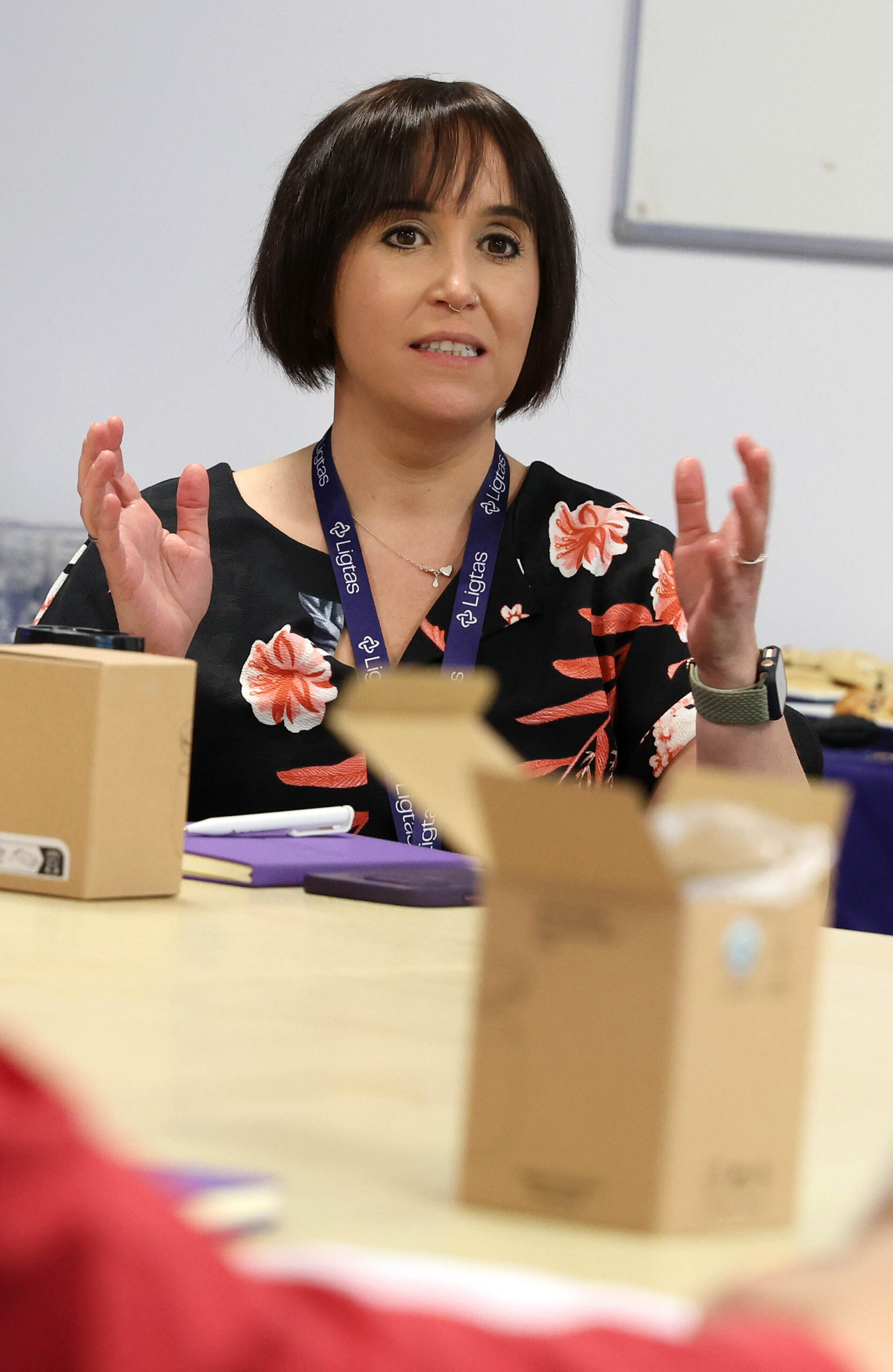
Jessica Morgan, Commercial Director - Ligtas Consultancy and Training
Culture change: It is a journey. There will always be improvements to make. As businesses grow, how do you keep standards as you're bringing new people into the business?
Understanding: If people really understand the risks to themselves as well as the business as a whole, then challenging each other becomes a little bit easier. It's easier when the (reason) “why” has come down from leadership.
Training: You can put policies and procedures into training materials. Inserting the “why” into training materials is really important - so when you bring in new people as part of the induction process, they understand the importance behind what they have to do. Make sure that that's refreshed regularly, because standard slip. It's not always possible to be responsive when things go wrong. Having a structure and system in place is really important.
What manufacturers should take from the discussion
The conversation pointed back to the same issue from different angles. Safety culture cannot sit with the health and safety team alone. Leaders set the standard, managers carry it through, and people on the ground decide very quickly whether that standard is real or just well worded.
There was also a strong thread around systems. Poor decisions do not happen in a vacuum. Layout, equipment, reporting processes, task design and consultation all shape how people work and the choices they make under pressure. When those things are weak, standards become harder to hold.
Training still matters, but only when it relates to the real work. Generic content and one-off courses will not fix a weak culture. Training has more value when it reflects actual risks, real roles and the day-to-day decisions people are expected to make. That is where it starts to support competence, not just compliance.
What senior leaders should take from this
For senior leaders, the message is clear. Health and safety culture is not built through policy alone and it cannot be handed off and forgotten. It is shaped by leadership, carried through management, and strengthened or weakened by what happens day to day across the business.
That has direct consequences for performance. Standards that slip under pressure create more than safety risk. They affect decision-making, reporting, accountability, trust and operational resilience. The strongest businesses are not the ones with the most paperwork. They are the ones where expectations are clear, systems support the right behaviours, and leaders set a standard that holds when things get busy.
That is where this discussion should be useful. It is a reminder that leadership behaviour, management follow-through, training, consultation and system design are all connected. Treated separately, they lose force. Worked on together, they strengthen the business.
Insider has also published coverage of the session, which you can read here.
Next step for senior leaders
If this discussion has prompted a wider review of how health and safety is led in your organisation, our IOSH Safety for Executives and Directors course is a useful place to start. It is designed for senior leaders who need a clearer understanding of their responsibilities and the role leadership plays in shaping standards, culture and accountability.
You can also contact us here if you would like to talk to Ligtas about training, consultancy, Competent Person support or a broader leadership and culture discussion.
Health & Safety Leadership: What Every Senior Leader Needs to Know
Join us for our next Lunch and Learn webinar, a practical leadership briefing for directors, senior managers, and HR or People leaders responsible for organisational culture, governance and safety oversight.
Date: Thursday 23rd April 2026
Time: 12:00 to 12:45
Hosted by: Anthony Bruce, Andrew Regel and Jess Morgan
During the session, we will look at why leadership plays such a central role in building a strong safety culture, what responsibilities senior leaders hold, and what organisations can learn from real enforcement cases.
Tony Bruce, Head of Health and Safety at Ligtas and former HSE Enforcement Officer, will also share practical insight during the live Q&A.
Attendees will learn about the role senior leaders play in effective safety management, the legal responsibilities of directors and executives, and why leadership behaviour has such a direct effect on safety culture.
This webinar is CPD certified, and attendees who attend more than 90 per cent of the session will receive a certificate afterwards.
Or, if you want to stay close to future events, resources and leadership briefings from Ligtas, sign up using the form below.
Ligtas Resources
Get webinar invites sent directly to your inbox.
Submit the form to subscribe to our Newsletter.