Looking for an IOSH or NEBOSH course? Browse our 2026 courses here.


Residential PEEPs: What Good Compliance Really Looks Like
NEWS
February 2026
Our 'Unlock Residential Fire Compliance' webinar series was designed to do one thing well: move the conversation from regulation to real-world application.
Since the Fire Safety (Residential Evacuation Plans) (England) Regulations 2025 were confirmed, we’ve seen a wave of uncertainty across the sector. Not around intent, (everyone wants residents to be safe) but around what proportionate, lawful compliance actually looks like in practice.
Across both webinars, property professionals raised thoughtful, practical questions. Many weren’t about whether to comply, but how to do so without creating unnecessary risk, cost, or confusion.
To help close that gap, we’ve pulled together the key themes below, and expanded them into short video-led FAQs for easy reference.
Five questions that came up again and again
1. Who pays for equipment and adjustments?
There’s no blanket rule. Funding depends on what is reasonable and proportionate, based on the outcome of the person-centered fire risk assessment. Costs may sit with the responsible person, the individual resident, or in limited cases, be recovered through service charges where the measure benefits the wider building.
2. What happens if a resident declines to pay?
Residents are entitled to decline. Where this happens, the responsible person is not required to implement the measure and is not in breach, provided the assessment was carried out correctly and the decision is clearly documented.
3. What if a resident doesn’t respond at all?
A lack of response does not mean no need. Responsible persons must take reasonable steps to invite engagement. If there’s still no response, duties don’t extend beyond continuing annual reminders, with clear records kept of contact attempts.
4. What are the responsibilities where properties are sublet?
The legal duty remains with the responsible person, but leaseholders should help ensure subtenants are aware of the process. Cost discussions for individual adjustments usually sit between the leaseholder and tenant, not the managing agent or freeholder. Short-term lets, such as Airbnb, are generally out of scope.
5. How should organisations update their procedures?
Start with a gap analysis against the updated guidance. For most organisations, this is about refining existing processes, not starting from scratch, and ensuring staff are confident, consistent, and properly supported.
Turning guidance into action
What came through clearly in both sessions is this: Residential PEEPs are not about paperwork for its own sake. They’re about people, informed decision-making, and defensible, proportionate action.
Done well, they strengthen resident safety, improve clarity for responsible persons, and reduce long-term risk; operationally and legally.
Watch, read, and get support
If you’d like to explore this further:
- Watch the webinar replays:
Unlock Residential Fire Compliance - The Practical Guide to the Fire Safety Regulations 2025
Unlock Residential Fire Compliance - Part 2: Residential PEEPs – Guidance for Responsible Persons
- View our updated Residential PEEPs FAQs page – 15 short video answers with written summaries to the most common questions
- Use our Fire Safety Jargon Buster – clear explanations of commonly misunderstood terms
As April 2026 approaches, now is the time to sense-check your approach and make sure your plans are practical, compliant, and genuinely supportive of the people who live in your buildings.
If you need support applying the guidance to your buildings or portfolio, advice on which courses are needed to develop competencies around PCFRAs, contact us for a free consultation.
Explore more from Ligtas
Webinar
Webinar Replay
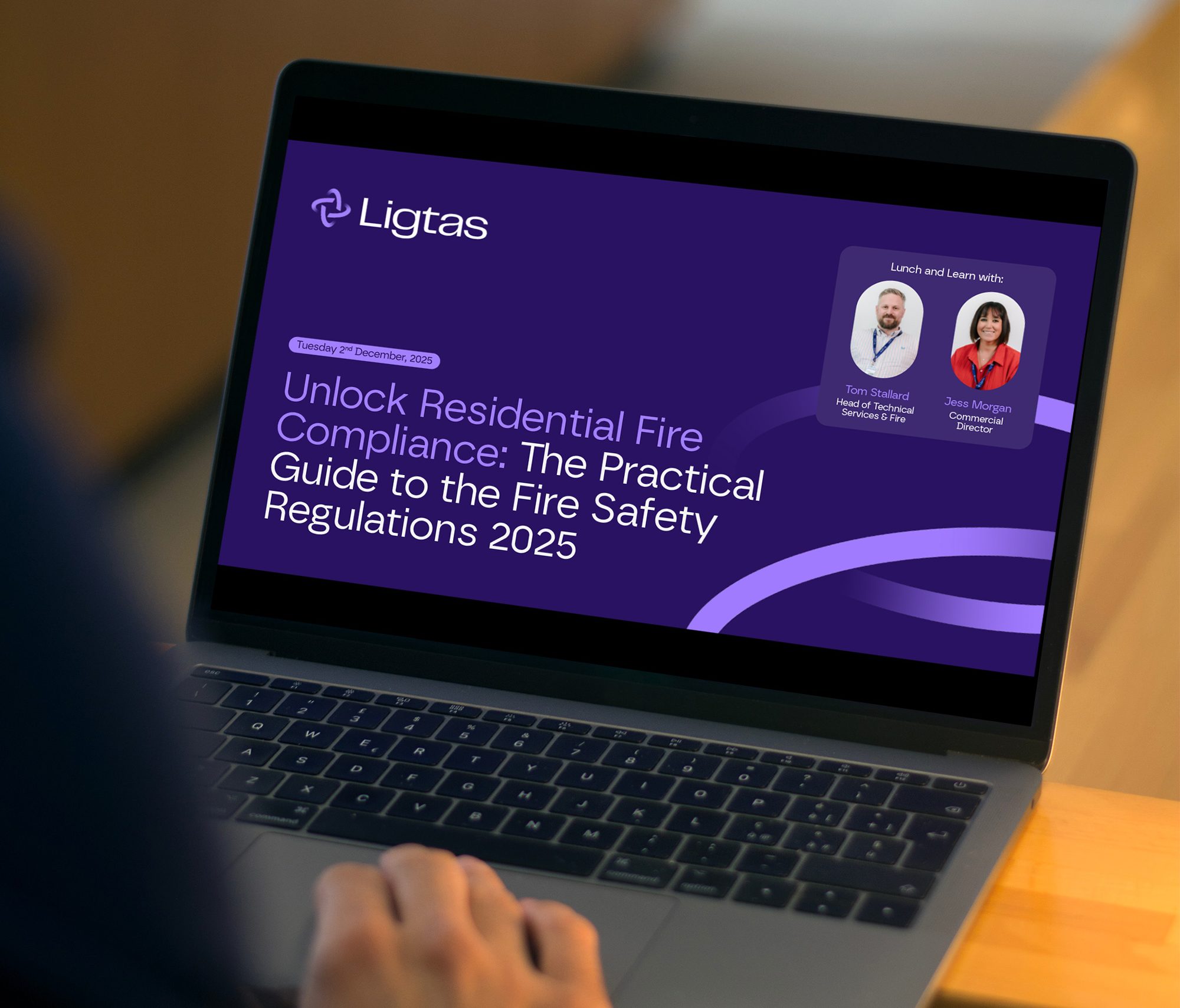
Catch up with our Unlock Residential Fire Compliance - The Practical Guide to the Fire Safety Regulations 2025 webinar.

Webinar
Webinar Replay - Part 2
Catch up with our Unlock Residential Fire Compliance - Part 2: Residential PEEPs – Guidance for Responsible Persons.

Insights
FAQs Page
How do we make this work in the real world? Your top questions answered.