Looking for an IOSH or NEBOSH course? Browse our 2026 courses here.


Navigating the Heights: Understanding the Dangers of Working at Elevated Levels
NEWS
October 2023
Unveiling the Perils of Working Above Ground
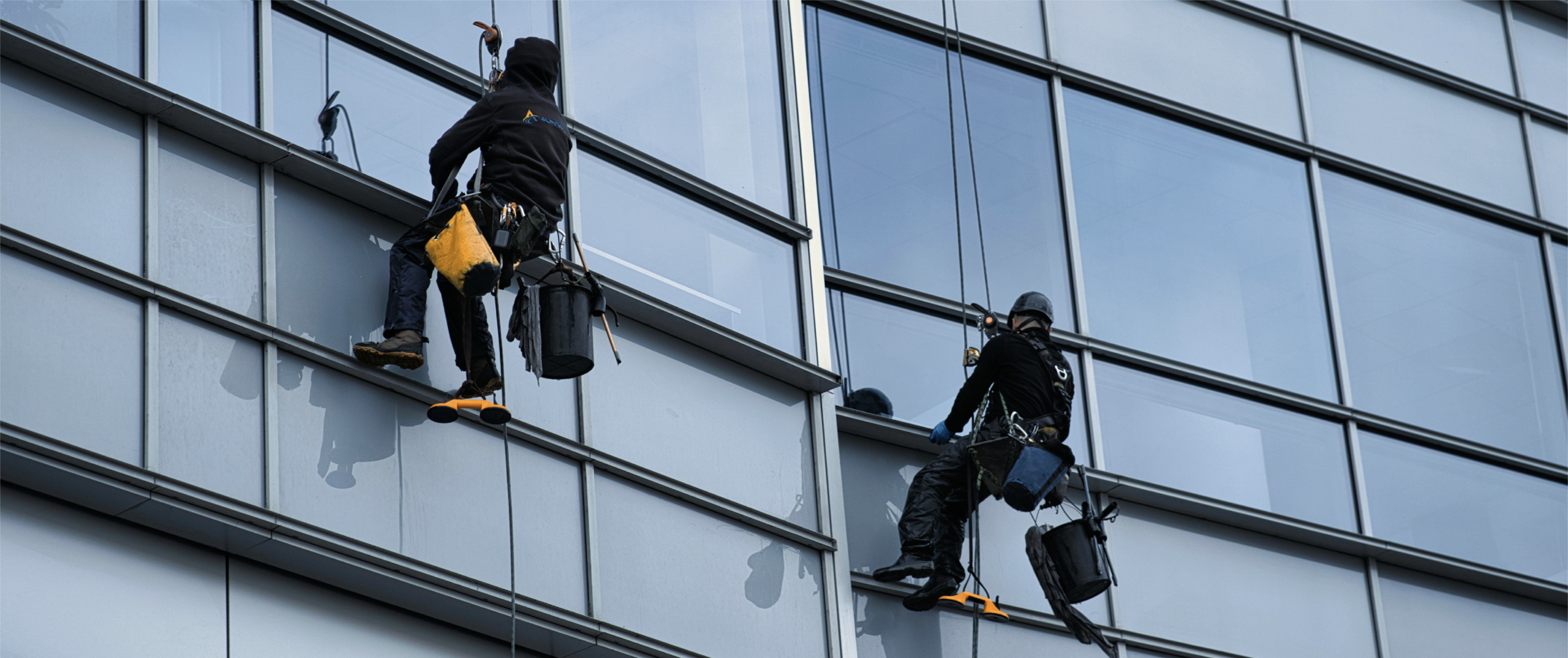
Working from heights and the risk of falling is a significant concern in various industries, including construction, maintenance, and even certain office settings. They are still the main cause of fatal accident and injuries that occur within the workplace. (Source HLS)
This article will discuss some specific risks associated with working from heights and falling, beginning with falls from elevated surfaces.
Falls from elevated surfaces
When working on ladders, scaffolding, rooftops, elevated platforms, or any other raised surfaces, there is a potential risk of falling. Loss of balance, unstable surfaces, equipment failure, or human error can cause a worker to slip, trip, or fall.
According to the latest HSE statistics, there were also 35,280 non-fatal accidents involving falls from height across all industries. That’s 97 accidents every day!
Serious injuries and fatalities
Falls from heights can lead to severe injuries or even death. The impact of a fall can result in broken bones, spinal cord injuries, traumatic brain injuries, internal injuries, and other life-threatening conditions.
HSE statistics show that multiple workers suffered a fatal injury as a result of a fall from height, making it the single biggest cause of workplace fatal injuries in the UK. Many of those injuries could have been prevented if necessary fall protection methods were in use.
Lack of proper fall protection
Without appropriate fall protection systems in place, such as guardrails, safety nets, or personal fall arrest systems (harnesses and lanyards), workers are at a higher risk of falling. Inadequate or improperly used fall protection equipment can also increase the likelihood of accidents and injuries especially when working on fragile surfaces.
Fragile surfaces or structures
Some work environments involve working on fragile surfaces, such as roofs made of fragile materials like asbestos cement sheets or fragile skylights. If workers step on these surfaces without taking proper precautions, they can break or collapse, resulting in a fall. This is also true for unprotected openings which can pose a serious risk.
Unprotected openings and edges
Unprotected openings, floor openings, or unprotected edges on construction sites can be hazardous. These include uncovered holes, elevator shafts, stairwells, or unfinished floors without guardrails. Workers may accidentally walk or step into these openings, leading to falls. Especially pivotal in extreme weather like heavy, torrential rain.
Adverse weather conditions
Working at heights becomes even riskier during adverse weather conditions, such as strong winds, rain, ice, or snow. Slippery surfaces, reduced visibility, and unpredictable environmental factors can increase the chances of falls and accidents. All workers should be careful in these conditions and omit their chances of injury by not using ladders.
Improper ladder use
Ladders are commonly used for working at heights, and improper use can lead to falls. Using the wrong type or size of the ladder, placing the ladder on an unstable surface, overreaching, or failing to secure the ladder properly can all contribute to ladder-related accidents
With working at height comes risk, in 2021/2022, 29 workers died as a result of an accident caused by working at height. That’s 2 per month, which is a slight decrease from the previous year.
Over 60% of deaths during work at height involve falls from ladders, scaffolds, working platforms, roof edges, and through fragile roofs. Many accidents are due to human error or lack of suitable training.
Human error and lack of training
Inadequate training on proper working at height procedures and safety protocols can lead to errors and unsafe practices. Workers may underestimate the risks, fail to use safety equipment correctly, or overlook critical safety measures, increasing the likelihood of falls.
To mitigate the risks of working from heights and falling, employers should prioritise safety by implementing comprehensive fall protection programs. This includes conducting thorough risk assessments, providing proper training on working at heights, ensuring the availability and proper use of appropriate fall protection equipment, and regularly inspecting and maintaining the equipment and working surfaces. Workers should also actively participate in safety training, follow guidelines, and use personal protective equipment as directed.
Statistical analysis of 150 falls from height accidents that were investigated over a 3yr period by HSE showed the most common places from which workers fell were Ladders (40%) followed by Vehicles/Forklift trucks, (17%).
Despite long-term reductions in the number of workers killed by work activities, each year such cases continue, with 123 such deaths in 2021/22. This number compares. with 251 twenty years ago (2001/02) and 495 in 1981.
Practical Steps
Ligtas recommends that workers are trained and competent to mitigate the risks of falling from height.
Working At Heights Awareness Course
Course Overview
At the end of the course, employees will:
- Understand the dangers of working at height
- Become aware of the risk assessment process when using access equipment
- Recognise the importance of planning when working at height and accessing equipment
- Recognise the importance of inspection and maintenance of access equipment
- Gain an appreciation that working at height is not solely a construction activity but can be at any height where there is a potential for injury
Who is this course for?
All employees engaged in or affected by working at height.
Explore Ligtas

Case Studies
Success Stories
See how Ligtas has helped organisations improve health and safety compliance, reduce risks, and protect their workforce.

Fire Safety
Protecting People & Property
Ligtas provides nationwide fire safety consultancy services, helping organisations mitigate fire risks, meet regulatory obligations, and enhance life safety measures.

Training Services
Why Train with Ligtas?
With our industry-leading expertise, we support with compliance and we help you build a proactive, safety-first culture that protects your people and business.