Looking for an IOSH or NEBOSH course? Browse our 2026 courses here.


Legionella Risk Assessments
NEWS
November 2023
What is Legionella?
Legionella is the bacteria that causes Legionnaires’ disease (and other diseases), a potentially fatal form of pneumonia (lung infection). Legionella bacteria is spread by breathing in small droplets of water in the air where legionella bacteria is present.
What is a Legionella risk assessment?
Legionella bacteria can cause severe health conditions; therefore, in the UK, businesses are legally required to conduct a legionella risk assessment to identify potential issues and to keep employees, customers, and others safe.
As a business, you have a legal requirement to ensure that your workforce and other people are safe when entering and occupying any of your buildings. Looking after your water is no exception.
A Legionella risk assessment is a careful examination and a systematic process of identifying hazards and evaluating any associated risks within a workplace, then implementing reasonable control measures to remove or reduce them. Simply put, these are risks that could cause harm to people within a workplace.
Any water system with the right environmental conditions could potentially be a source for legionella bacteria growth. However, Legionella is a preventable bacteria if kept under control with suitable precautions. This means that a practical review of any existing precautions must be made to see if they are adequate or if more needs to be done to prevent harm.
Therefore, it makes sense to risk assess and eliminate as many potential hazards and accidents waiting to happen as possible.
Background Information
The Approved Code of Practice (L8) places responsibility on the person responsible for the control of a building to implement the following:
- Identify and assess sources of risk
- Prepare a scheme for preventing or controlling the risk
- Implement and manage precautions
- Keep records of the precautions implemented
- Appoint a person to take managerial responsibility
- Requires that a suitable and sufficient assessment be carried out to identify and assess the risk of exposure to legionella bacteria from work activities and water systems on a premise.
There are several stages in the process of complying with The Code of Practice. Each of these must be completed before undertaking the subsequent stages.
The key to this process is the risk assessment, which should be completed annually. The purpose of which is to enable a valid decision to be made regarding:
- The health risk, i.e. whether the potential harm to health from exposure is reasonably foreseeable unless adequate precautionary measures are taken
- What measures should be taken for prevention or adequate control to minimise the risk of exposure to Legionella?
Client Responsibilities
Under the Health and Safety at Work etc. Act 1974, those responsible for premises containing domestic water systems are required to protect the Health and Safety of all employees, non-employees and contractors. To ensure this is so, the following Regulations and ACoPs must be adhered to:
- Management of Health and Safety at Work Regulations 1999
- Reporting of Injury Disease Dangerous Occurrences Regulations 2013 Control of Substances Hazardous to Health Regulations 2002 (as amended)
- The Approved Code of Practice L8: Legionnaires’ Disease: The Control of Legionella Bacteria In Water Systems
- HSG 274 Legionnaires’ disease: Technical guidance Parts 1, 2&3
- HSG 282 The control of Legionella and other infectious agents in spa-pool systems
Domestic hot and cold-water system
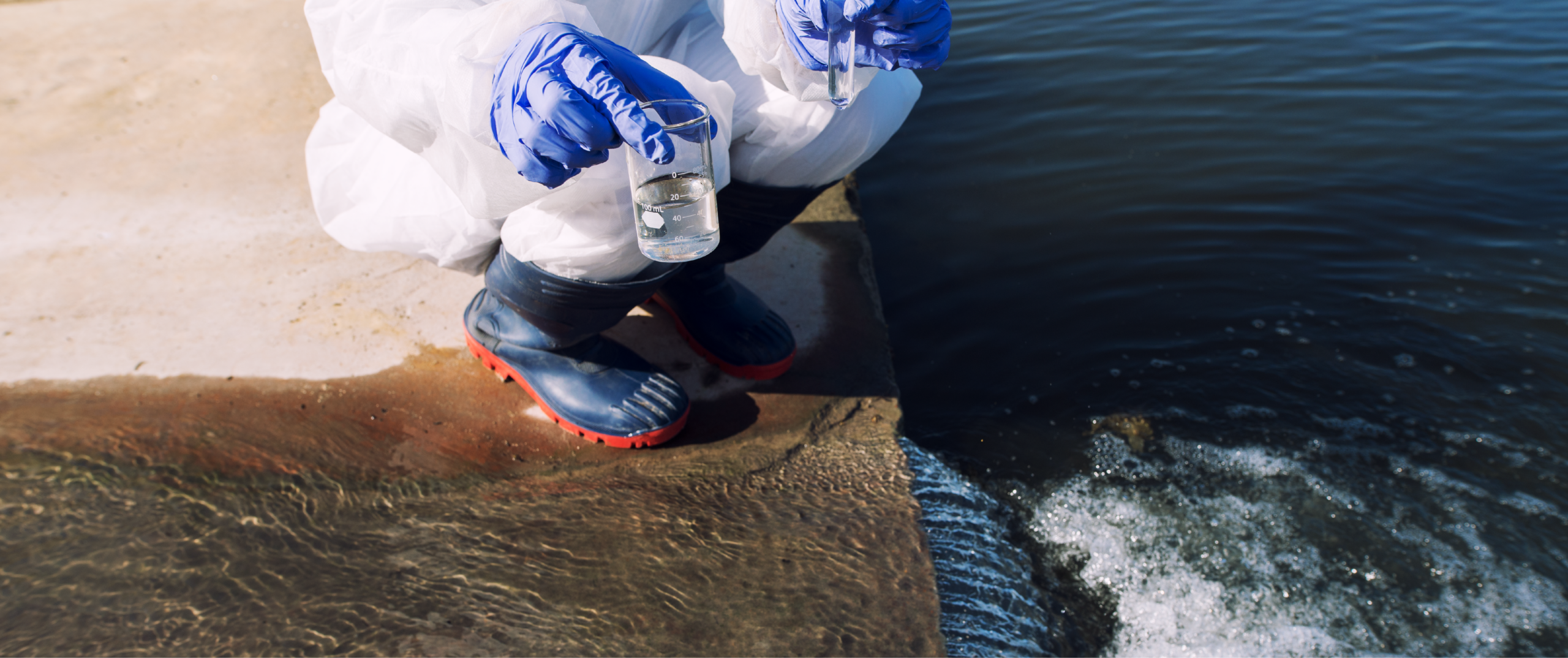
A legionella risk assessment would be conducted regarding the domestic hot and cold water system at your property, which would include schematic diagrams of water systems on-site, temperature testing and samples if required.
It is worth noting that samples are only taken when an issue is identified to confirm the extent and severity of Legionella. Under most circumstances, temperature testing at the sentinel points (beginning and ends of water systems) is enough.
How Ligtas can support you?
The report would detail the survey findings and assess risk and recommendations for remedial action (where appropriate) along with a suggested program for ongoing monitoring and maintenance.
Legionella Control Association (LCA)
Ligtas are members of the Legionella Control Association (LCA). Ligtas membership to the LCA covers the following areas:
- Legionella Risk Assessments
- Sampling
- Training
UKAS Notes
All sampling is conducted in UKAS-accredited laboratories, the national body recognised by the government for the accreditation of testing and calibration laboratories, certification and inspection laboratories.
Ligtas are contracted to provide legionella risk assessment services only. The client is responsible for implementing any additional duties or tasks identified in the legionella risk assessment to ensure compliance.

Consultancy
Consultancy Services
Tailored advice and support to strengthen safety strategy and compliance.

Training
NEBOSH Training
Accredited qualifications that build real-world competence to ensure training and consultancy are working together

Careers
Join Ligtas
A career with purpose.